When Is The Best Time To Plant Flower Seeds
Good timing is the key to successfully planting flowers and growing healthy flower seeds. Different plant types like perennials, annuals, and bulbs need proper preparation, lead time, and the right conditions.
Check local frost dates and frost dates before starting seeds or moving young plants through transplant. Avoid starting too soon or starting too late to prevent a weak or lanky plant and help your garden survive with beautiful garden blooms during the blooming season.
Know Your Frost Date
Before starting seeds, learn your area’s frost dates because they decide the safest time to plant outdoors. Both spring frost dates and fall frost dates help create accurate planting schedules, similar to a vegetable planting calendar.
Since young plants are vulnerable to a freeze, checking frost timing ensures your flowers get the right start and grow successfully.
When to Plant Perennial Flowers (Seed Starting & Transplanting)
Perennials are plants known for surviving 2 or more years. Even if they die back to the ground during winter, their roots survive underground and produce new foliage when increased light, warmth, and spring arrive.
Most will bloom the same year they are planted, while some need time to become established, especially when planted later in the growing season with a flower identifier.
Start Seeds in the Spring
Spring is a great time for perennials because many are easy to grow and an inexpensive way to fill up a new flower bed. While some can be challenging to start from seed, certain seeds need cold temperatures before they germinate, with a germination period that may take longer time. Some require 3 to 4 weeks or should be started earlier, so always check the seed packet for proper instructions.
Plant Mature Perennials in the Fall
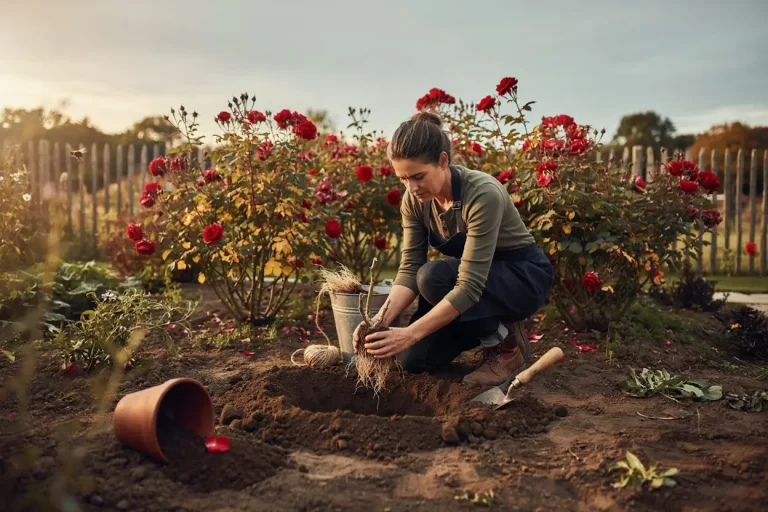
For mature perennial plants and perennial plants from a nursery, fall planting is often the best time to plant. Place these plants about 6 weeks before the first fall frost date so their roots can grow and settle in before winter.
The winter cold temperatures and moisture help stimulate germination, while roots continue developing even when temperatures are in the 40s °F.
How Long Do Perennials Take to Grow?
8–10 Weeks
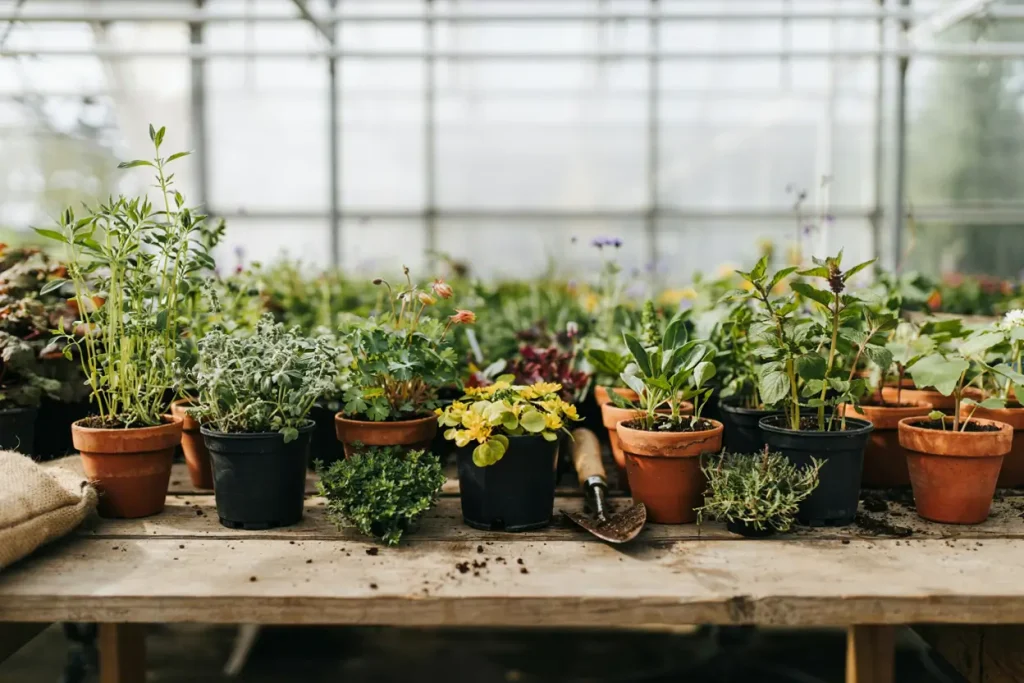
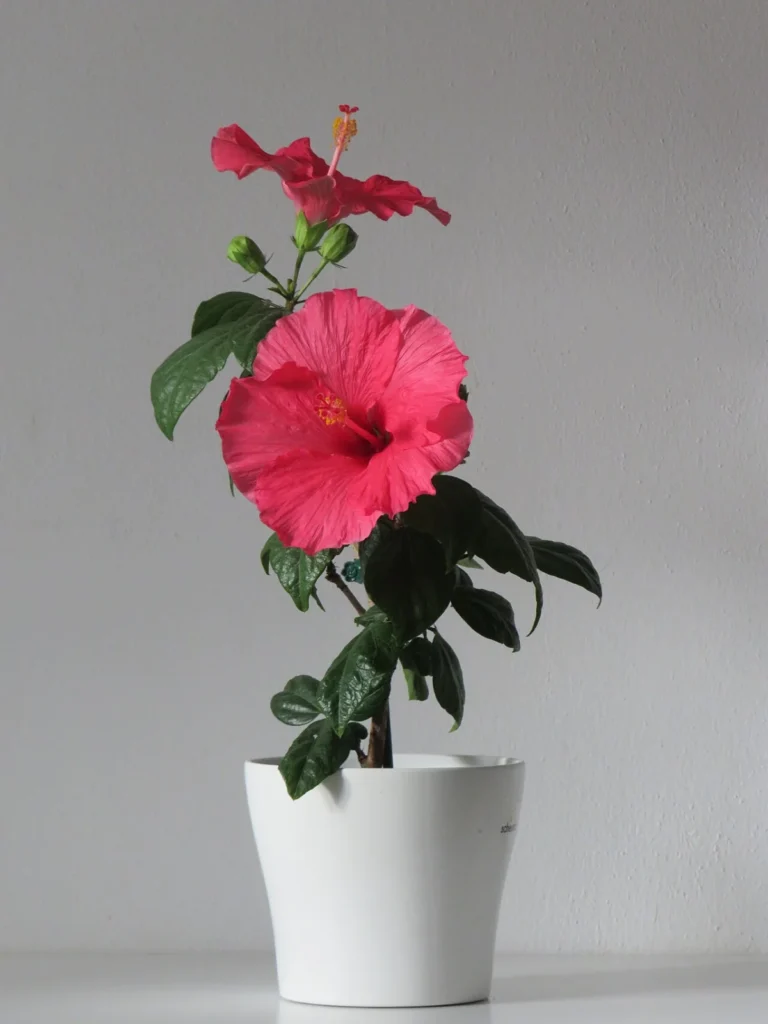
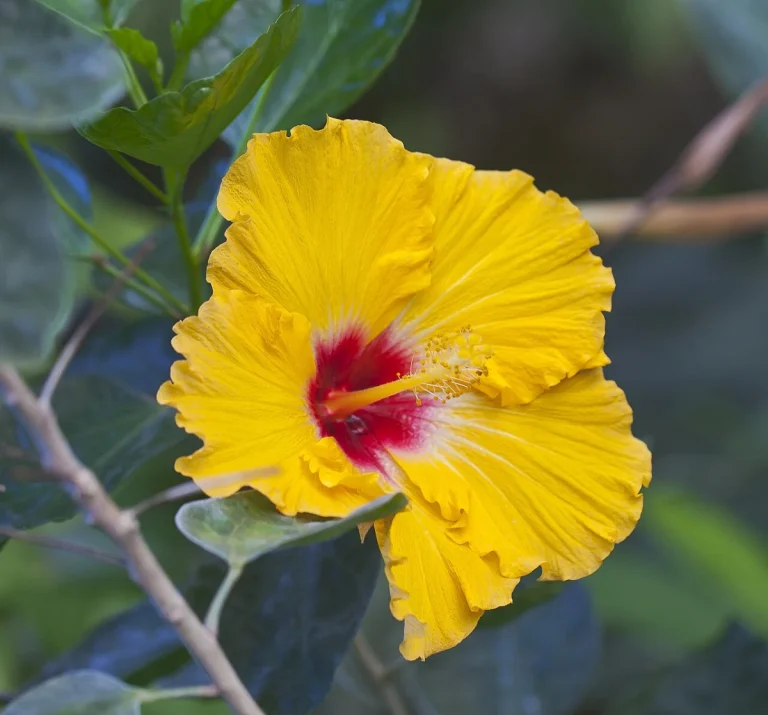
Perennials usually need around 8 to 10 weeks to reach good size before being transplanted into the garden. Popular varieties like anise hyssop, catmint, columbine, coreopsis, echinacea, gaillardia, helianthus, hollyhock, monarda, thyme, and yarrow follow this schedule, while rudbeckia and violas are hardier plants that can go out 1 to 2 weeks before the last frost date. Perennial hibiscus is more sensitive and should wait until 1 to 2 weeks after the frost-free date or when the frost has passed.
10–12 Weeks
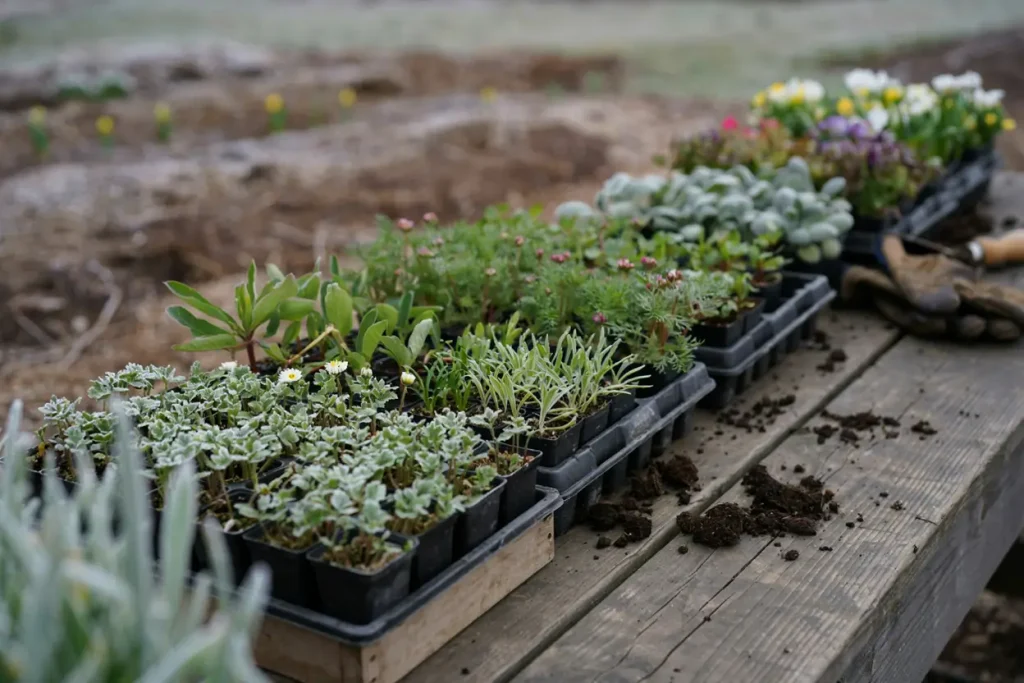
Some perennials like daisies, delphinium, and dianthus should be started 10 to 12 weeks ahead and can be planted out 1 to 2 weeks before the frost-free date. Other varieties, including asclepias, foxglove, heliopsis, and phlox, take 10 to 12 weeks to grow and should be transplanted only after the last frost, so wait until after the last frost before moving them outdoors.
When to Plant Annual Flowers After the Last Frost
Annuals are plants that sprout, grow, bloom, and go to seed within one season before the plant dies in winter and new seeds germinate the following spring. Most annual flowers grow from seed and reach a transplantable size in 6 to 8 weeks, but some have longer germination periods, and slower-growing annuals need to be started earlier.
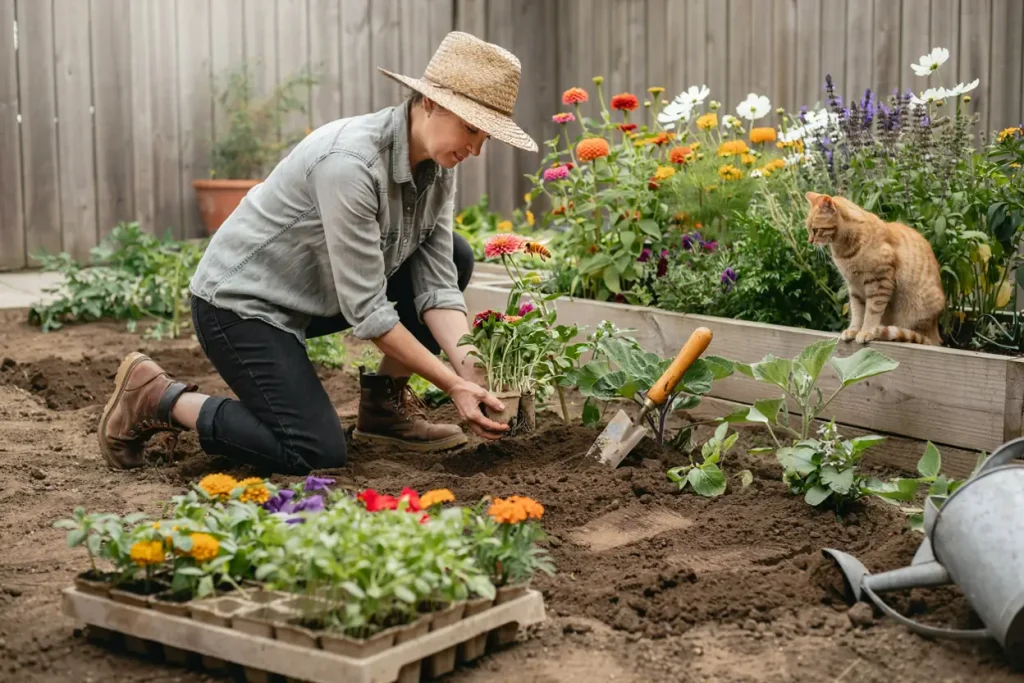
Check seed packets for plant-specific recommendations and variety-specific recommendations. Since many are frost-tender, wait until the last spring frost date to start seeds, transplant into the garden, plant outdoors, and harden plants off before setting plants outside.
How Long Do Annuals Take to Grow?
3–6 Weeks
Speedy annuals like morning glories and sunflowers can reach a transplantable size in just 3–4 weeks, while zinnias need a 4- to 6-week head start before being transplanted outdoors after the last spring frost date.
These fast-growing annuals can also be directly sown in the garden once the danger of frost has passed and the frost passed safely.
6–8 Weeks
Most annuals take around 6–8 weeks to grow before they can go out after the frost-free date. Popular varieties like ageratum, asters, bachelor buttons, celosia, cosmos, gomphrena, marigolds, nicotiana, salvia, scabiosa, and statice follow this schedule, while strawflowers, alyssum, calendula, and delphiniums can be planted outside earlier, around 1–2 weeks before the last frost.
8–10 Weeks
Some annuals have slower germination and need 8–10 weeks to germinate and reach good size before moving to the garden. Flowers like petunias, phlox, snapdragons, stock, and verbena can be planted around the frost-free date, while coleus and impatiens are more tender plants and should be transplanted one to two weeks after the last frost date.
When to Plant Flower Bulbs: Spring vs. Summer Bloomers
Planting bulbs is a simple way to add seasonal color to your garden. Spring-flowering bulbs like tulips, crocuses, and daffodils are planted in fall before the first frost so they can experience colder weather and produce beautiful spring blooms from early spring to early summer.
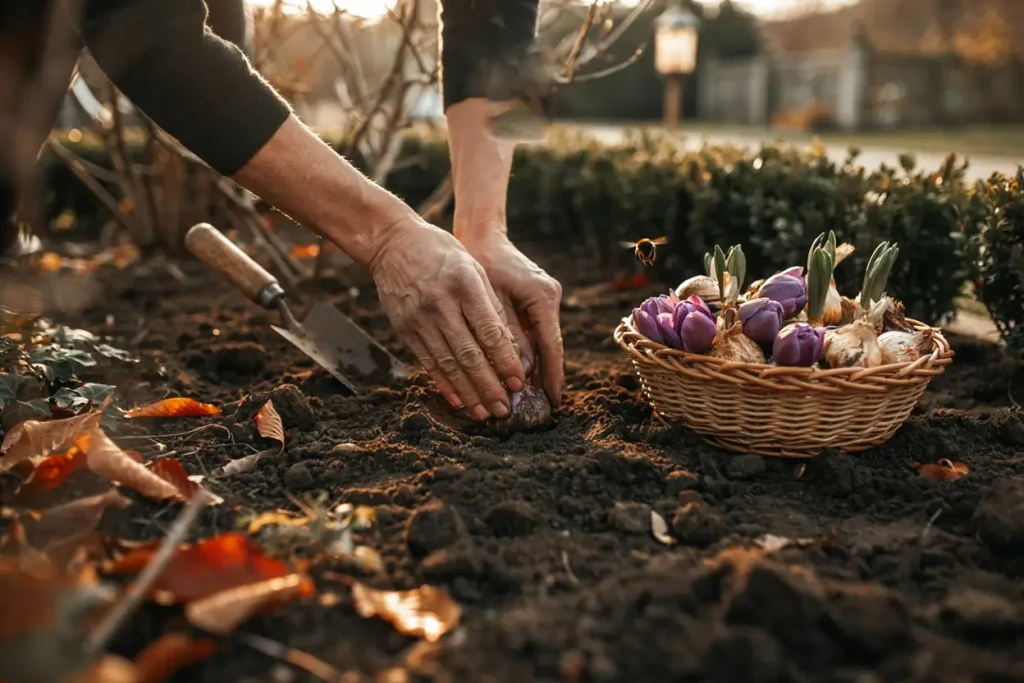
In contrast, summer-flowering bulbs such as gladiolus, dahlias, and cannas are planted in spring after the last frost because they are less hardy and may not survive winter outdoors. There are some exceptions, including hardy perennials like daylilies, which can flower in summer and be planted in either season.
First Flower Sowing: Early Winter
During early winter, I recommend direct-sow methods for hardy flowers like corn poppies (Papaver rhoeas), breadseed poppies (P. somniferum), and larkspur (Consolida ajacis) in open soil.
Place the seeds in the planted spot, cover with a thin layer of potting soil, and avoid mulch because light exposure on sunny winter days supports germination.
These plants become established by early spring, when they can be weeded and thinned, but avoid being transplanted due to their brittle roots. Poppy seedlings and larkspur seedlings are also animal-resistant, making them reliable during the hungry season.
Second Flower Sowing: Winter
After the first hard freeze, you can sow flower seeds of biennials and hardy perennials under a surface cover to follow the natural cycle of seeds falling to the ground in autumn.
Varieties like rudbeckias, coneflowers, columbines, forget-me-nots, anise hyssop, and other perennial herbs benefit from winter weather exposure.
Cover the bed with a light cover such as a row cover or cotton sheet held with boards or bricks that admits light while protecting tiny seedlings from heavy rains. In early spring, seedlings appear with winter weeds that are easy to pull, while strong plants can be lifted and transplanted during vigorous spring growth.
Third Flower Sowing: Early Spring
In early spring, around six weeks before the last frost date, you can sow cool-season annuals using a row cover tunnel supported by wire or hoops. Flowers like bachelor buttons (Centaurea cyanus), pink cosmos (Cosmos bipinnatus), calendula (C. officinalis), and sweet alyssum (Lobularia maritima) sprout quickly, grow, tolerate late freezes, and bloom in early summer.
Provide stakes, grow-through hoops, or other support for annuals reaching over 24 inches (60 cm). For a wildflower seed mixture, sow seeds in stages by planting smaller seeds first and adding more three to four weeks later; splitting sowing times helps tiny seedlings develop, while larger seeds like borage and sunflower perform better in warmer conditions.
Fourth Flower Sowing: Late Spring
After the last frost in late spring, you can sow warm-season annuals like borage, marigold, and zinnias, which are popular butterfly magnets. This is also the ideal time for flower mixtures featuring sunflowers and other late summer standouts.
Once the soil has warmed, summer annuals become fast and easy to sow in open soil. With enough water, extra seedlings can be dug up and moved wherever needed.
Fifth Flower Sowing: Early Summer
When spring annuals begin to fail, replace them with sulfur cosmos (C. sulphureus) and scarlet sage (Salvia coccinea), as these annuals bloom quickly in warm summer soil.
Simply clear a place in a bed, add water, rich compost, or balanced organic fertilizer, then plant seeds well covered with soil. During hot, dry weather, shade covers can help boost germination of summer-sown flower seeds.
What Makes a Bulb a Bulb?
Many gardeners use bulbs as a general category of plants, but a true bulb is a specific underground storage structure found in flowers like tulips, daffodils, and even onions. Other plant structures often called bulbs include corms like gladiolus, rhizomes such as irises and daylilies, and tubers like dahlias.
Best Time to Plant Flower Seeds Outdoors
The ideal time for direct sowing depends on your climate, soil condition, and seed type. Hardy annuals and seeds that dislike transplanting can handle spring planting once the soil is workable and no longer frozen, allowing you to sow hardy varieties even during cool weather.
For tender annuals, patience is important; late May is often a safe window for direct-sowing tender summer annuals like zinnias and petunias, but always check your local frost calendar for the exact date.
Common Mistakes to Avoid
- Avoid planting failures caused by common habits like ignoring soil temperature; warm air does not always mean warm soil, so check the actual ground before planting tender seeds.
- Tender annuals often fail with early planting because they may not germinate in cold soil, and a late frost can kill young seedlings.
- Different seed types follow different rules; hardy annuals and half-hardy annuals need separate timing, so mixing the timeline can reduce success.
- Many gardeners focus only on spring and forget the fall window, missing stronger growth from fall-sown hardy annuals and stronger blooms.
Final Thoughts
The best time to plant flower seeds is not a single date but a balance of local frost dates, soil temperature, and the type of seeds you choose.
Understanding whether you have hardy seeds, half-hardy seeds, or tender seeds removes guesswork and helps create a reliable planting schedule that works with nature.
These three factors make planning easier and improve your garden’s success.