Can You Plant Roses In The Fall
Fall vs Spring: Finding the Best Time to Plant Roses
I get this question from readers every year: is fall really a good time to get roses in the ground? After planting hundreds of bushes myself, both bare-root and in containers, my answer is a confident yes.
Roses are available almost year-round now, whether you buy them locally or through mail order, and nurseries stock various sizes of neat roses right through the cooler months. The old debate between spring planting and fall planting still comes up.
Once you’ve planted in both seasons, you start to notice that fall is honestly a terrific time to get a rose in the soil, with one real exception: gardeners north of zone 7/6, especially in the foothills near the Blue Ridge, deal with bitter winters that can be too quick and too early for tender new growth to survive.
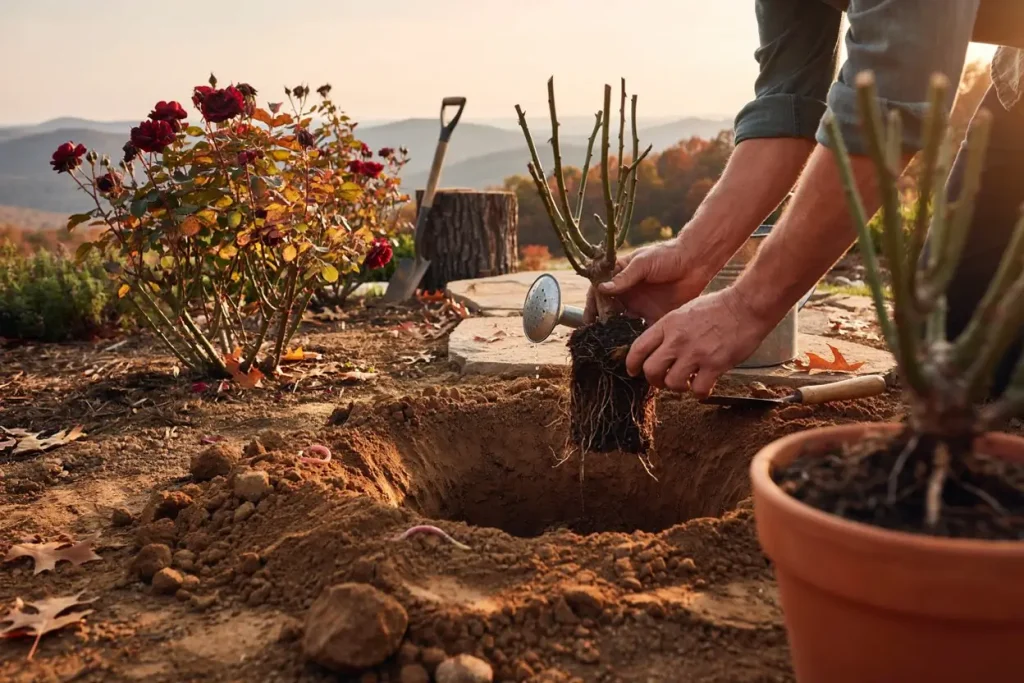
If your climate cooperates, late August through November is prime planting territory. As nights turn cooler and the cold eases in gradually, an Indian Summer stretch in October gives roots time to settle before frost.
This matters because of how fertilizers work with the plant’s biology root growth actually outpaces top growth once temperatures drop, so newly planted roses spend the winter quietly building roots underground instead of pushing canes and blooms above the surface.
Come spring, an established root system just seems to explode into new top growth, and that’s the real advantage of planting roses in late summer or early fall rather than waiting. It’s no accident that Garden Centers run a sale during rose planting time each fall.
Growers know this season is over before most people realize it’s begun, and I always tell friends happy Roseing starts with getting in the ground while the soil is still workable.
Beyond timing, the benefits are hard to ignore. Milder weather and warm soil mean less transplant shock, and by the time spring arrives you’ll already be seeing earlier spring blooms thanks to that well-established root system.
Every newest rose I’ve added to my own garden in autumn has had a noticeable head start over its spring-planted siblings, partly because autumn rains cut down on manual watering.
When you plant your fall roses, dig the same way you would for spring planting: dig a deep hole, prep soil with peat moss, compost, and well-rotted cow manure to build genuinely healthy soil for those fine feeder roots.
Just keep raw manure away from direct root contact to avoid burning. I always mix my compost in a week ahead so the rose settles into soil that’s already favorable, not still heating up, and I try to finish before the first hard frost of the season.
Once roots are established and cold weather sets in, the plant naturally goes dormant, and that’s your cue to add a heavy layer of mint compost or plain mulch around the base.
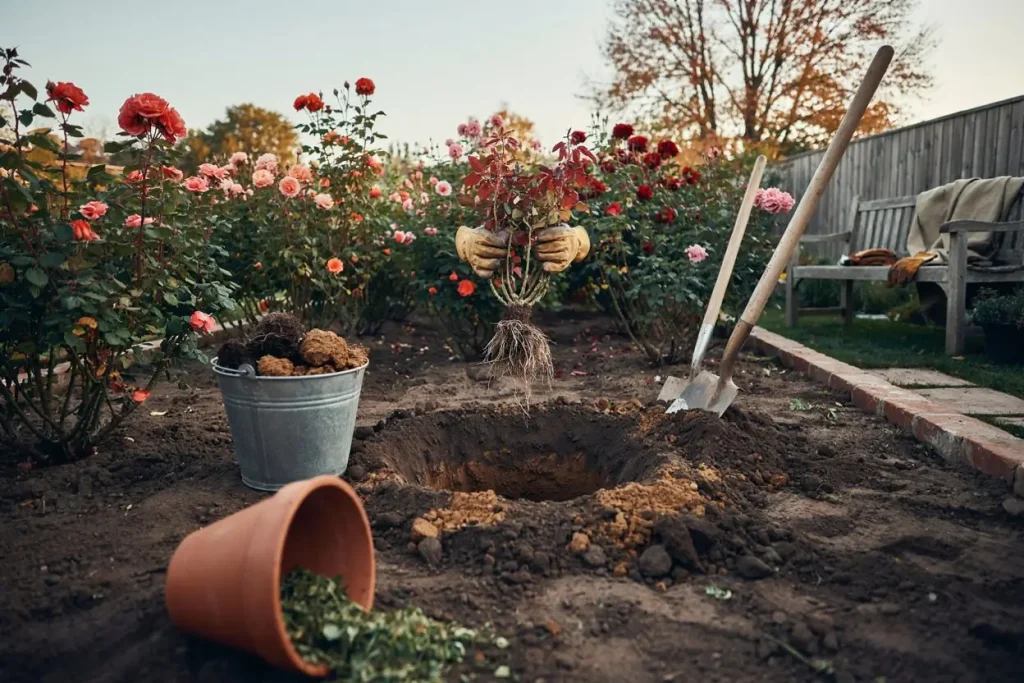
This step alone will insulate the crown and retain moisture through the driest cold snaps. Hold off on hard pruning until late winter growers who prune too early on an own-root rose risk stressing it.
Do clear away yellowing leaves and debris so the plant goes into winter disease free. Keep an eye on water, since planting in dry soil without checking moisture levels is a common mistake.
Skip heavy fertilizer and nutrients like Founder’s Fish Fertilizer or organic matter until spring; if rain has been light, a light watering routine is enough to support root health without forcing foliage growth the plant can’t yet support.
Once real growth resumes, a monthly basis feeding with fish fertilizer or a mild granular fertilizer helps tender roots on an own-root rose through its first year.
If you’re already dreaming about which roses to order for this spring, autumn is genuinely the smarter time to shop Heirloom and other own-root roses often come with a stronger garden guarantee.
You’ll find better varieties available before spring sell-outs, which also makes it easier to flower identify the exact rose type you want before you buy. Every rose lover I know treats fall as the preferential time to add new roses to the garden, giving them a real head start on roots and blooms well before spring season even begins.
The Benefits of Fall Planting
As temperatures drop in fall, that last bit of summer warmth still lingering in the ground creates perfect conditions for roses to establish before first frost.
Planting in autumn lets soil hold onto warmth even after frost hits, which is exactly what rose roots need for solid root development.
This seasonal transition into cooler weather doubles as winter preparation for your garden and once you see the full picture of planting in fall, the biggest win over the summer season is how easy it is in most areas.

You also get an extra pop of color to add to your garden design and landscape through smart plant placement, since roses bring a stunning array of colors, shapes, and fragrances that elevate any garden’s visual appeal and color enhancement.
While spring is often called the ideal planting season, fall runs from late summer into fall with fantastic opportunities for planting roses that bring extended blooming seasons and a longer blooming period.
For a truly vibrant rose garden, fall is how you achieve it plants thrive with just extra care, and the right rose varieties reward you with real flower beauty by spring. That’s seasonal gardening at its best: healthy growth begins underground in autumn, long before garden maintenance season even starts.
How to Plant in Fall
Pick a spot with five to six hours of sunlight a day for successful planting that’s the secret to beautiful blooms on roses like Easy Elegance® roses. Once your site is selected, provide the soil a boost by amending it with compost, digging in nutrients so your rose grows healthy and happy.
After your planted rose is in, give it a good soak of water and watch moisture throughout fall like you would in summer, but skip adding fertilizer encourages growth or new growth this late in the season only leaves plants vulnerable to cold temperatures in winter.
Solid rose care during fall planting comes down to sunlight requirements, proper soil preparation, and steady garden maintenance: mind plant health and root support, work in organic matter for soil improvement, keep a reliable watering routine, and finish with basic seasonal care and frost protection.
Choosing the Right Roses
Good rose selection starts with knowing the right type of rose for the job, and I’ve learned this makes all the difference between successful summer planting and fall planting that actually holds up.
Stick to hardy varieties of roses Knock Out Roses are my go-to for their sheer resilience and continuous blooming, while Floribunda Roses bring abundant flowers and robust growth, and Hybrid Tea Roses offer some of the most elegant roses you’ll find if you’re willing to give them proper care.

Whatever rose varieties you land on, choosing hardy roses among flowering plants for your garden roses pays off through stronger bloom performance and better plant strength, and honestly, that’s what makes fall planting so rewarding.
Preparing Your Garden
Everything starts with finding a sunny spot a location that gets a solid six hours of daily sunlight because sunlight and good air circulation are non-negotiable for healthy roses. From there, I always turn my attention to the soil: roses genuinely need well-draining soil, so I work in compost and well-rotted manure to boost fertility and drainage before anything goes in the ground.
Don’t skip spacing either giving plants proper spacing supports optimal growth, keeps air flow moving through the bed, and goes a long way toward preventing disease and general disease prevention.
Get these basics right and you’re setting up real vitality and long-term rose health, because garden conditions and planting requirements like soil improvement and nutrient enhancement are what ultimately drive strong plant growth.
Planting in Summer
If you’re set on summer planting, it’s still a fantastic way to add color to your garden quickly, but there are a few steps that make sure your roses actually flourish instead of struggling in the heat.
Watering is everything here keep the soil consistently moist by watering deeply about twice a week, adjusting that frequency upward during hot periods and dry periods.

I never skip mulching either: a generous layer of mulch around the base of your plants helps retain moisture, keeps roots cool, and works double duty to suppress weeds.
For planting time, stick to early morning or late afternoon to avoid peak sun and reduce transplant shock a small habit that pays off in real rose care.
Round it out with steady garden maintenance, attentive plant hydration, solid root protection, consistent weed control, and smart seasonal planting, and summer-planted roses can absolutely hold their own.
Planting in Fall
Timing really is everything when it comes to fall root establishment, and I always tell people to plant at least six weeks before frost that gives roses ample time to establish strong roots before the first expected frost hits.
On the moisture side, monitor soil moisture closely and aim for consistently moist ground that’s never waterlogged, since the natural increase in rainfall through the cooler months already does a lot of the work for you.
Mulching is the other half of the equation: a good layer helps retain moisture, insulate roots, and keep soil moist without letting rainfall pool around the roots.
As for pruning, keep it light just trim away any dead or damaged parts to reduce stress on the plant while it’s focused on root establishment; a quick lightly trim session is all it takes when you’re preparing roses for winter.
Pros and Cons of Fall Planting
Planting in autumn comes with real benefits over spring: the soil is drier, warmer, and easy to work, unlike spring, when the earth can still be frozen from winter season and turns soggy from spring showers once it passed and thaws making fall genuinely ideal for settling a rose bush into the ground.
The weather is also milder, you’ll typically see more rain than during summer across most regions, and you don’t have to worry about a surprise heatwave toasting your plant.
Nurseries also tend to offer an end-of-season discount, since most people aren’t doing garden shopping later in the season, so you can find good varieties at a lower price.

Roses planted in October or November even bloom earlier than those put in the ground come spring, since spring-planted roses need months to become established, while fall-planted ones are already settled and ready to grow the moment spring arrives.
On the negative side, an unusually wet autumn or an early unexpected freeze can mean you lose your plants, and fall shopping often means a smaller selection of plants to choose from compared to spring.
If you can’t find the plant you want, or you’re not able to get plants into the ground in time, you can always prep your garden bed in fall and wait to plant in spring instead. That way you still capture some of the benefits of fall planting without the risk.
When to Plant in the Fall
The one mistake I see most often is people trying to plant roses in the ground just a few days before the first expected frost, which never gives them time to get settled and truly established before harsh winter weather sets in.
The right time is actually about six weeks ahead of the first predicted frost date in fall that window lets your rose establish roots and gives it the best chance of surviving winter and emerging strong come spring.
That said, don’t jump the gun and plant too early either; there’s a good chance your rose will survive, but you do risk killing it if you plant while the heat of late summer is still lingering.
Steps to Take for Fall Planting
Getting Ready
You can absolutely plant a live rose in fall, though dormant bare root plants are the safer bet since they’re less shocked by the transition they can just be difficult to find this time of year.- Get your garden ready for the new rose by starting your prep work on the planting hole the same way you would in spring.
Selecting the Spot
Focus on selecting the right spot first, keeping in mind that light exposure in that right spot can shift between summer and fall check a helpful guide if you’re unsure.- Assess your soil: heavy clay or sandy soil will need well-rotted compost worked in to improve drainage and water retention before that spot is truly soil amended.
Digging the Hole
Dig your hole about twice as wide and a touch deeper than the container your rose came in, then mix compost into the removed soil.- Fill the hole with water and drain for about an hour standing water signals poorly draining soil, which you can fix by digging several feet deeper and adding more compost, or by building a raised bed.
Setting the Plant
Add a little removed soil and compost mixture to the bottom of the hole so the plant sits at the right height; in warmer USDA Hardiness Zones, the bud union or crown should sit just above the soil level, while in cooler Zones, position it an inch or two below the soil surface.- Shape a small cone at the base for the roots to guide root growth in the right direction, then spread the roots gently over it as you place the plant in the hole so roots grow down rather than out.
Finishing Up
Fill in around the roots with soil and compost mixture, water to settle the soil, and top off the level of the hole as needed.
Care Tips
Once your plant is in the ground, prune it back by a third, remove any flowers or hips, and clear away dead, yellow foliage, and stems so the plant’s energy goes toward roots a few dead bits are normal on roses fresh from a garden center after summer, so don’t worry if the overall plant still looks healthy.
Fall is usually rainier than summer in most regions, but still watch the moisture level of the soil so it doesn’t dry out; let nature help, and water whenever the top inch feels dry for real success. Skip trying to fertilize your new plant or force growing you want it to hunker down, get established, and get ready to go dormant.
Pile on mulch to protect the rose through the cold season, using natural mulch like straw, bark, or well-rotted manure up the canes, then remove it in spring once the ground has warmed up.
If your shrub is planted somewhere large or the canes are spaced apart, use twine for support. Between the money you’ll save and the head start, autumn planting season is worth it share your results in the comments section, pictures of spring blossoms welcome.