When Is The Best Time To Plant Trees
For gardeners, the best timing to plant trees depends on climate, soil temperature, specific tree, and ground conditions. A reliable tree planting guide comes from research, arborists, university extension programs, and extension research instead of guesswork, folklore, or a neighbor’s opinion.
In Illinois and the Midwest, springtime and fall are usually the best seasons because regular rainfall supports root growth, but the ideal time of year varies by species. Trees from nursery suppliers, garden centers, and local nursery growers may arrive dormant, shipped, or stored in holding areas, so choose an ideal specimen and follow proper planting advice.
Trees like maple, linden, crabapple, ginkgo, magnolias, pines, and spruces need good tree care during the first two to three years, including deep soaking, supplemental watering, and proper mulch to support the root system, add organic matter to the soil, and protect against weather extremes.
Why “Best Time” Isn’t the Same Everywhere
There is no single best month for planting trees nationwide because every region has different conditions. The Arbor Day Foundation explains that the ideal planting season depends on local areas, weather patterns, and tree selection.
While some places enjoy mild consistent weather and allow year-round planting, others have a preferred season based on their country and climate.
The real debate is often between fall and spring, as both seasons can provide successful planting opportunities when the location and tree needs are considered.
The right timing is not about a fixed date but choosing what works better for your area and the tree you want to grow.
The Case for Fall Planting
Many arborists consider fall a favorite season for planting because it supports strong tree growth before winter arrives. During spring and summer, trees use their energy for producing leaves, branches, and flowers, but in fall the focus shifts underground toward root development.
When a tree is dormant, especially in early fall before the first hard frost, its roots can continue establishing without the stress of growing leaves. The Arbor Day Foundation highlights that cooler fall temperatures and seasonal rain help new trees settle in before summer heat, while the ground and soil are still workable.

A dormant tree also requires less care and watering attention compared with a newly planted sapling. However, trees should be planted early enough to establish roots before the soil freezes solid, and guidance from sources like UF/IFAS Extension notes that fall planting can offer a practical bonus by reducing stress from spring drought.
The Case for Spring Planting
Spring can be the best time to plant trees in certain climates and regions, especially areas with harsh winters, extended winters, or the coldest USDA zones where the ground freezes and stays frozen for months.
Unlike fall-planted trees, spring planting gives trees time to establish roots before the next winter and allows them to anchor during the growing season.
The University of Minnesota recommends spring planting for extreme cold zones because it provides a safer window before severe weather returns.
A specific group of trees with fleshy roots or thick roots, including magnolias, tulip trees, dogwoods, and birches, may benefit from spring planting since their roots can be more sensitive to rotting in cold wet winter soil.
Experts at Clemson Extension and the Morton Arboretum also note that planting when the soil is warming up rather than cooling down can help new trees adapt and survive their first winter.
Match the Season to the Tree, Not Just the Calendar
The best season depends on the species, not just generic advice about planting in fall or spring. Trees like oaks with deep taproots often benefit from fall planting because they get an extended root growth window before winter.
According to Purdue Extension, many oak species and evergreens can develop established roots when planted at the right season, while evergreen trees need attention because they lose moisture through their needles, causing winter desiccation, brown needles, or dead needles in cold climates.
A late fall or early fall window may be a safer bet for hardy trees, but fleshy-rooted trees and marginally hardy trees may need spring planting within their recommended zone to survive the first winter test. Proper timing helps trees use the full summer to grow and harden off before extreme conditions arrive.
Soil Temperature Matters More Than the Season Name
For successful planting, soil temperature is the real driver rather than the calendar alone. Whether spring or fall is better depends on when roots can actively grow in the soil.
When the ground stays reasonably warm, trees can develop root growth, which is why moderate climates often allow fall works after summer warmth remains for several weeks before the air cools down.
The right timing shifts by region, and a Midwest extension comparison shows that regional failure rates can vary between fall-planted trees and spring-planted trees.
In colder zones, cold soil can slow root growth, while planting after winter when there is lingering soil warmth may help trees establish better in colder regions.
How to Plant a Tree Properly, No Matter the Season
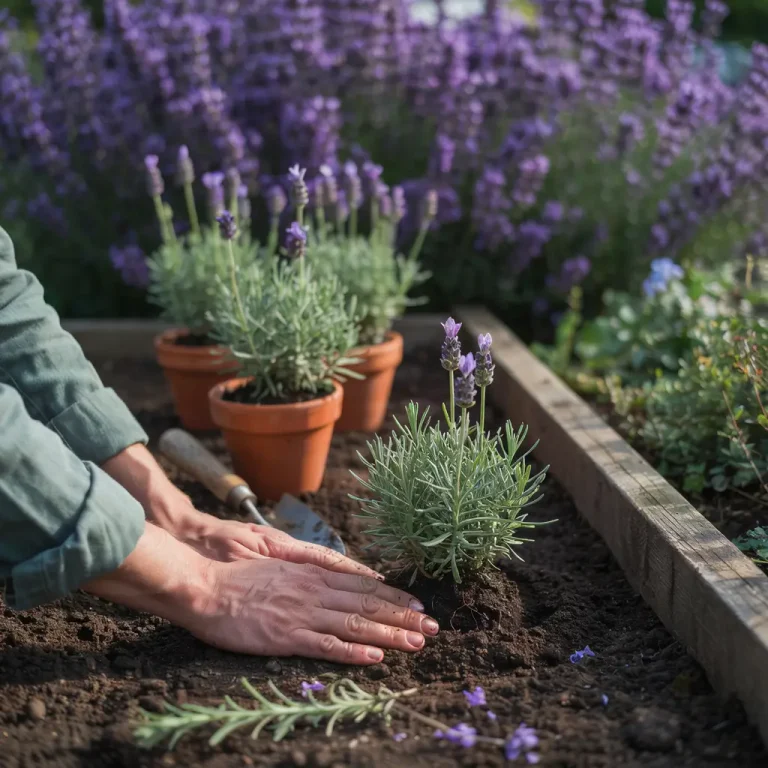
Good timing matters, but the right planting technique and basics are important in every season. According to UF/IFAS Extension, start by dig wide and create a hole with enough diameter for the root ball, while avoiding planting too deep, one of the most common mistakes.
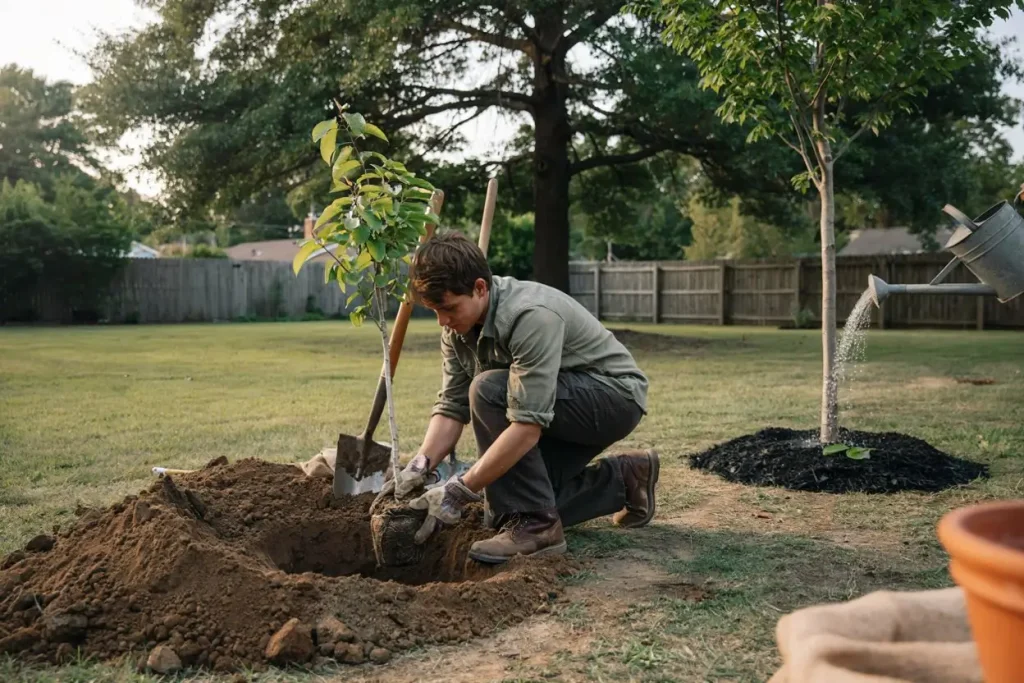
After placing the tree, ensure the roots have good contact with the surrounding soil, then water immediately to support newly planted trees, even during cold weather. Add mulch carefully with a two to three-inch ring around the base to retain moisture, but never let it smother the trunk.
Proper watering during the first year and up to two years helps new trees reach establishment, with about an inch of water per week as needed while the season changes.
Regional Differences Worth Knowing
The best planting season is not the same everywhere because each climate zone changes the equation. In warmer southern regions, winter planting can work well because the ground rarely freezes, allowing roots to keep growing during cooler months.
However, in colder northern zones, spring planting is often a safer choice and a more reliable choice after the ground thaws. The right timing depends on your area, USDA hardiness zone, and local weather patterns rather than following one fixed rule.
Common Mistakes to Avoid
- Avoid planting too late in fall when frost is near and the tree has only a few weeks to develop roots before winter.
- Do not rush spring planting in cold ground, as some tree species may struggle to grow properly.
- Consider species-specific needs, including tree species, root type, and hardiness before choosing planting time.
- Prevent common planting mistakes and other avoidable planting mistakes, such as digging a hole too deep for a young tree.
- Do not ignore dormancy and seasonal care needs; always provide water right after planting and continue proper care.
Frequently Asked Questions
Is fall or spring better for planting trees?
The better choice between fall and spring depends on your climate and tree species. In moderate climates, fall planting often works well for trees like oaks, while spring planting is preferred in extreme cold zones. Trees with fleshy-rooted trees such as magnolias may benefit from spring because warmer soil helps root growth. The ideal planting time changes by location, so choose the preferred season based on your local conditions.
Can you plant a tree in winter?
Winter planting can work in milder climates where the ground does not fully freezes and trees remain dormant, requiring minimal care. However, in colder regions, frozen soil makes planting difficult, so waiting until spring when the ground thaws is usually a better option.
How do I know if my region is better suited to fall or spring planting?
Your USDA hardiness zone, climate, and local regions help determine the right planting season. Areas with mild winters often support fall planting, while places where the ground freezes or experience long hard freezes usually benefit from spring planting. Checking how your ground behaves during winter can guide you toward the timing that gives trees better results.
Final Thoughts
The best time for planting a tree depends on your region, climate, tree’s root type, and hardiness rather than a universal date.
With the right planting technique, proper watering, and focus on long-term establishment, your tree has a real shot at outliving expectations.
Understanding your tree root type and your region’s climate helps you choose the right moment and give the tree the strongest possible start.