How To Plant Lavender
When I plant lavender, I prefer planting in spring, especially March to May, because the soil is easier to manage; for heavy soil, I improve drainage with horticultural grit in the planting hole to prevent waterlogging, often creating a slight mound or mound in the lavender bed. Place the lavender plant at the same depth as the pot, add a sprinkling of bonemeal, backfill, firm in, and water well.
For pots, choose terracotta pots with drainage holes, using John Innes no. 2 compost or John Innes no. 3 compost, then mix the compost with materials that support drainage. Keep the plant in a sunny spot away from shade, overhanging trees, and shrubs.
Before planting, check the soil, loosen the roots, remove issues with overgrown roots or root bound growth using your fingers, fill hole with water, then pack dirt around the plant securely while avoiding mounding dirt over the stem.
What About Fertilizer?
I’ve found that lavender performs best when you allow its roots to naturally reach for nutrients as they grow rather than trying to fertilize the soil heavily. Let the plant search deep for minerals that naturally occur as minerals in soil, creating a strong nutrients source through natural minerals that support plant growth. This approach helps maintain a happy plant, a fragrant plant, and a healthy lavender plant that develops resilience without unnecessary fertilizer.
Pro Tip About Watering
My experience with lavender has shown that the biggest mistake is to overwater lavender; this plant prefers careful watering based on the soil condition. Use a simple moisture test by sticking finger into the soil to check the moisture level; if there is dampness, the plant does not require watering.
When the soil moisture reaches bone dry soil, water generously in the morning, then allow soil to become completely dry before you water again. Avoid wet soil and “wet feet” because too much water can lead to disease, lavender disease, and root rot affecting the roots.
Following proper watering, plant care, plant identification, and choosing when to avoid overwatering helps maintain healthy lavender.
Planting in a Pot
For apartment dwellers, growing a lavender plant indoors can be a practical option when you create the right environment. I recommend choosing an English lavender plant and using a terra cotta pot between 16 inches and 24 inches in size to give the lavender enough room to grow. Place the pot near a sunny window, or add a grow light if natural light is limited.
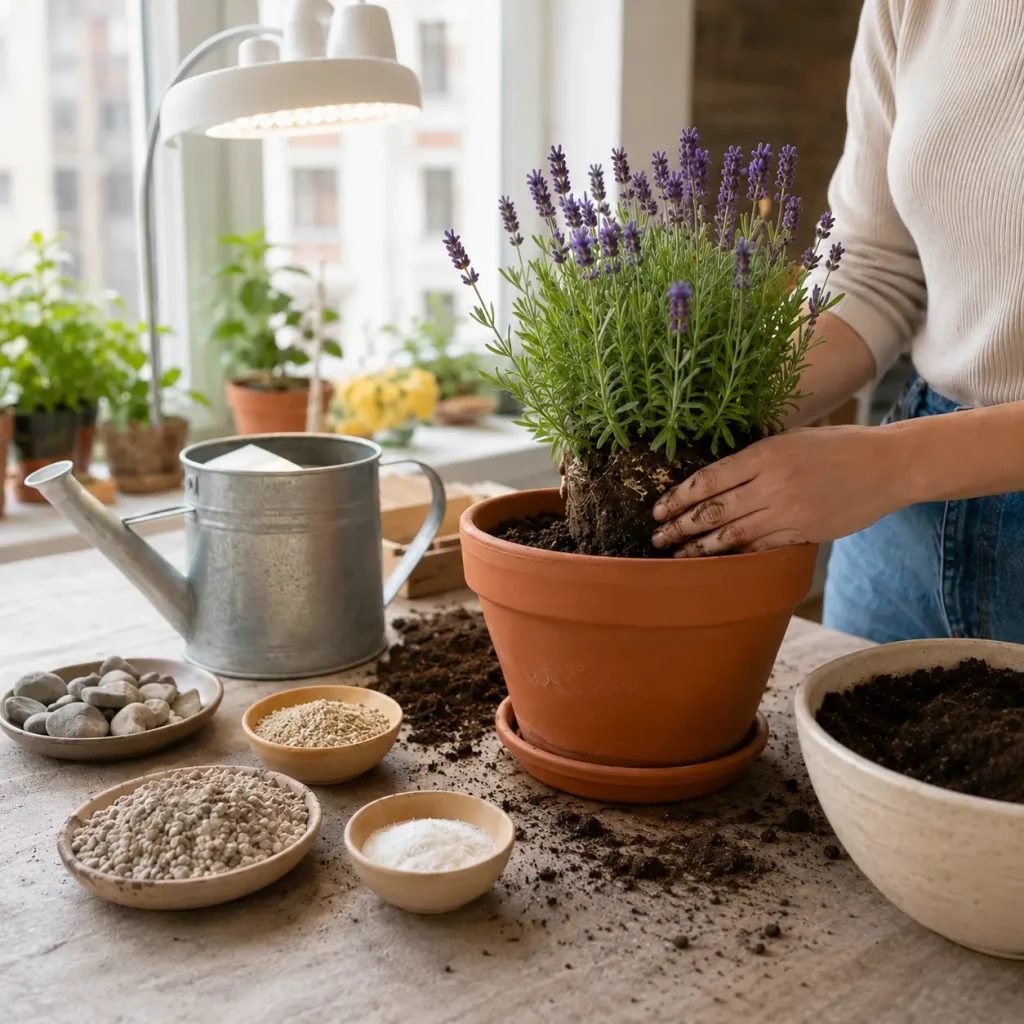
A well-prepared soil blend with an optimal mix of 2 parts compost, 1 part sand, and 1 part gravel, plus a handful of lime, supports healthy growth.
Add small rocks to the bottom of pot, fill halfway with the soil mixed, then loosen plant roots and check roots for being root bound before placing it in the terra cotta pot. Fill with soil, continue packing gently, and leave about an inch of pot at the top for a well tended indoor plant.
Did you know?
Lavender thrives in full sun and well-drained soil. Once established, it is drought-tolerant and attracts bees and butterflies.
Types of Lavender Plants
Choosing the right lavender starts with understanding its diverse family, a collection of different species with unique features and specific care requirements. By understanding differences between the types of varieties, you can choose the best lavender for your garden and improve your chances of finding success with lavender in garden spaces.
In my experience, variety matters when you want to grow lavender confidently year after year, which is why growers like Monrovia carefully select the best variety from different types of varieties to achieve reliable results.
English Lavender
English lavender (Lavandula angustifolia) is a cold-hardy variety native to the Mediterranean that grows well in the cooler climate of England and English herb gardens. This lavender type has gray-green foliage, whorls of small flowers, and blue-purple flowers to vivid violet blooms.
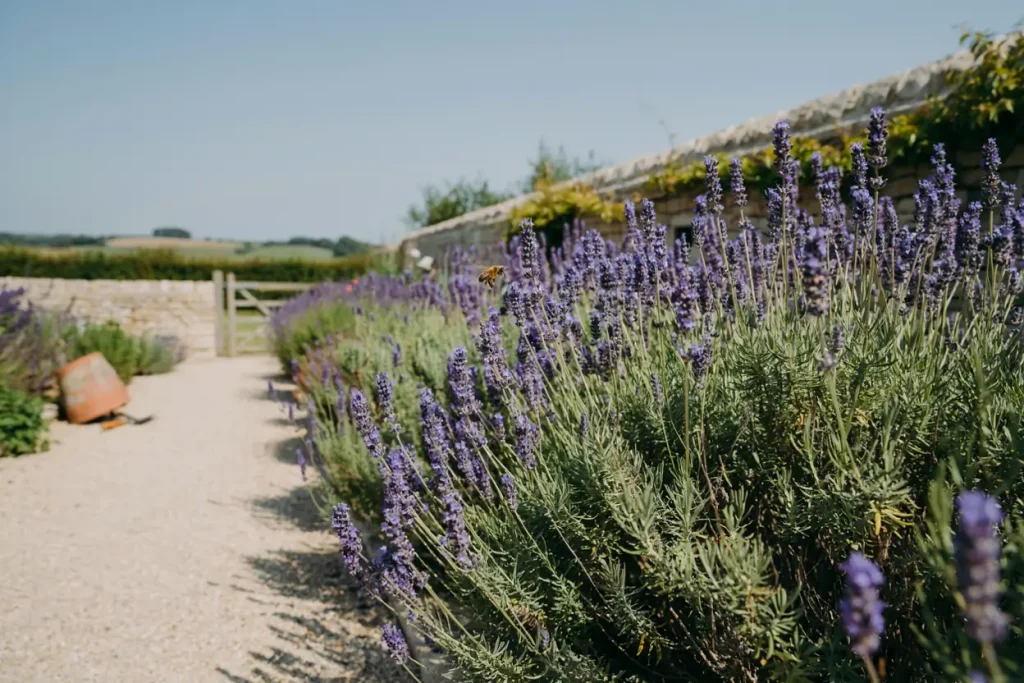
It grows 2-3 feet tall in well-draining soil or sandy soil, thriving in zones 5-10 on the USDA hardiness scale. It is a great choice for informal edging, a walkway, or colorful mass planting because it is easy to care for.
Hybrid Lavender
Lavandula x intermedia (Lavandula hybrida) is a hybrid lavender type created as a cross between English lavender and Portuguese lavender. It combines cold hardiness with heat tolerance, making it a versatile option for gardeners.
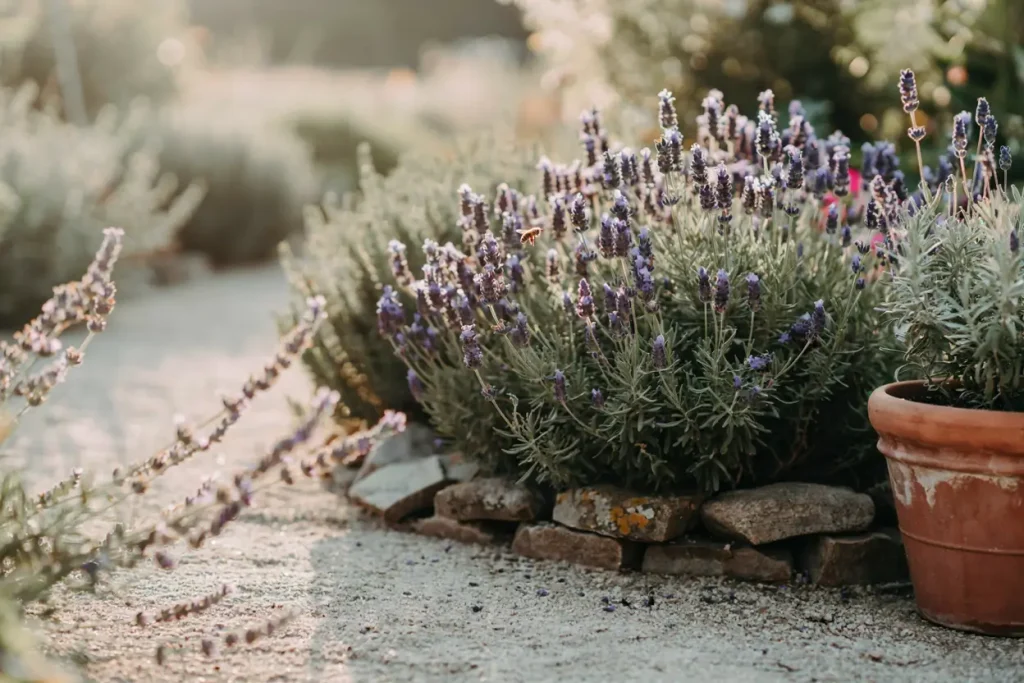
This hybrid lavender produces long spikes of highly fragrant flowers in dark violet to white flowers, along with gray-green foliage carrying a pleasant aroma. This popular variety grows well in zones 5-11 and works beautifully as an accent plant, in an herb garden, or a rock garden.
Non-English Lavender
French or Fringed Lavender
French lavender (Lavandula dentata) is a showy variety native to the Mediterranean basin, North Africa, and the Arabian peninsula. It features toothed leaves with a unique lavender-rosemary scent and compact flower heads topped with purple bracts.
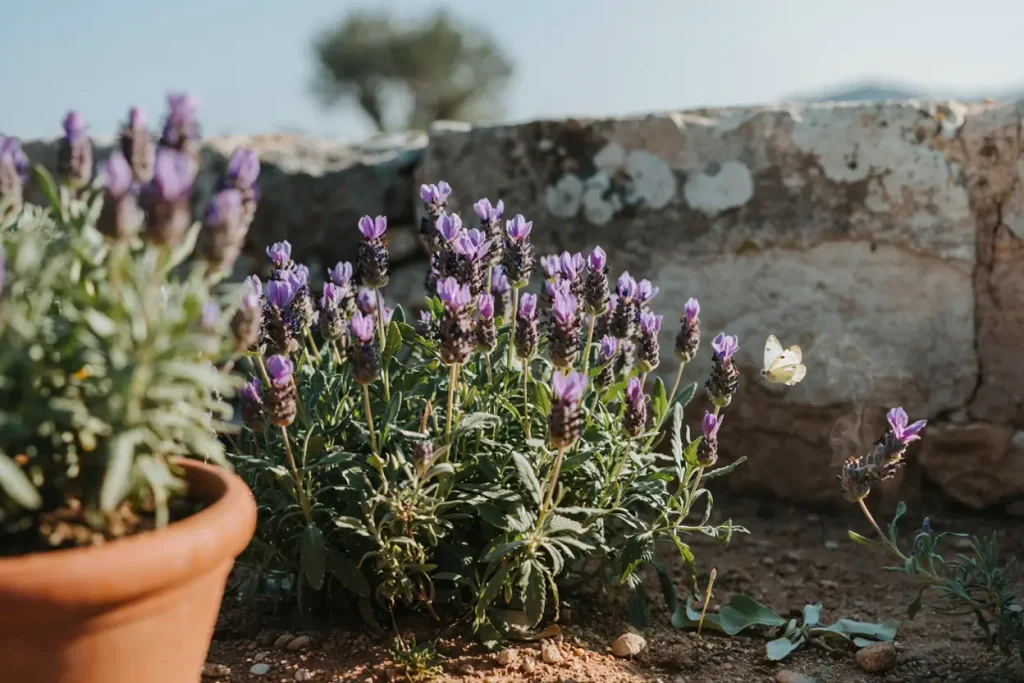
With enough sun and warmth, it can bloom from early summer to fall. While its lavender scent is less powerful than other varieties, many gardeners enjoy the stronger rosemary aroma released from its crushed leaves.
Spanish Lavender
Spanish lavender (Lavandula stoechas) is a variety known for its distinctive flowers with ears rising from each flower spike. It blooms constantly from mid-spring to late summer, producing white, pink, and purple flowers.
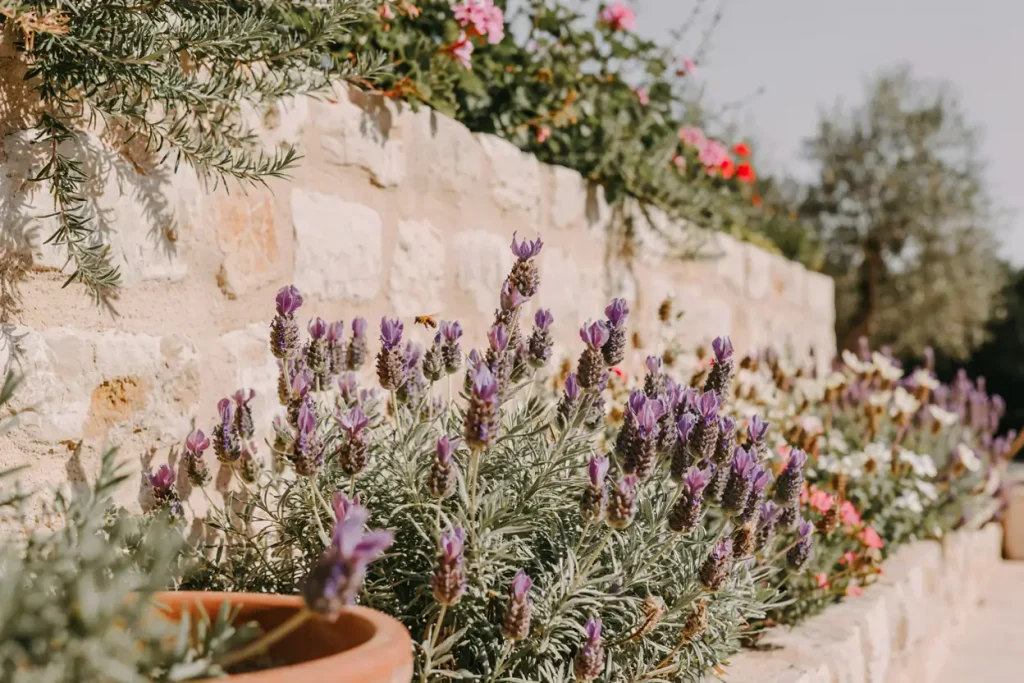
Although the flowers are not highly fragrant, its silvery foliage adds beauty, making it a great option for warm climates and hardiness zones 7-9.
Woolly Lavender
Woolly lavender (Lavandula lanata) is a drought-tolerant bushy shrub native to the Mediterranean basin. This variety stands out with soft silver-white woolly leaves, aromatic leaves, and hairy leaves that create a white appearance.
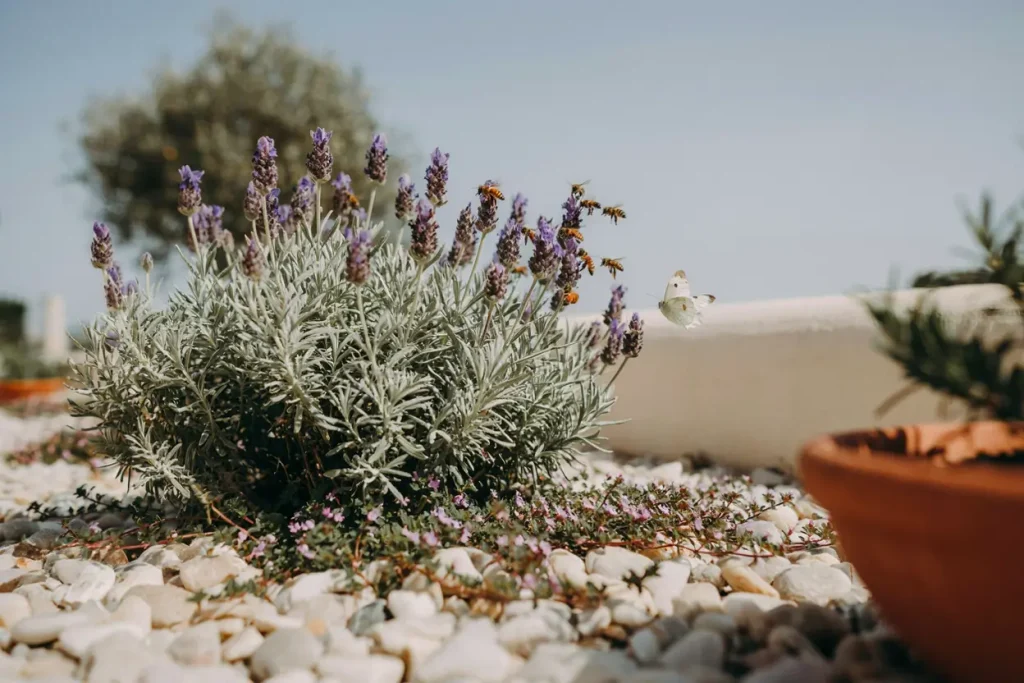
Its long stalks, purple flowers, tall stems, and erect stems make it ideal for rock gardens and gravel gardens. I find this showy flowers type especially valuable for gardeners who want to attract bees and butterflies while improving biodiversity in their garden space.
When Is the Best Time to Plant Lavender?
The best time to plant lavender is early spring or late spring after the threat of frost has passed. Planting lavender during warmer conditions helps with successful growth as temperatures warm up. Ensure it gets enough sunlight and plenty of sunlight for healthy lavender growth.
Where Is the Best Place to Plant Lavender?
The ideal plant location for lavender plants is a sunny spot where they can thrive with good air circulation and excellent drainage. Avoid standing water and wet areas because excess water around the roots can cause root rot. A raised bed or planting on a slope can improve drainage.
Lavender needs 6-8 hours of sun or full sun daily, and when planting multiple plants, leave enough space by keeping them 2-3 feet apart. Most lavender varieties reach a height and width of around 1-3 feet, so proper spacing supports healthy growth.
Pest Control and Common Lavender Plant Problems
Pests That Affect Lavender Plants
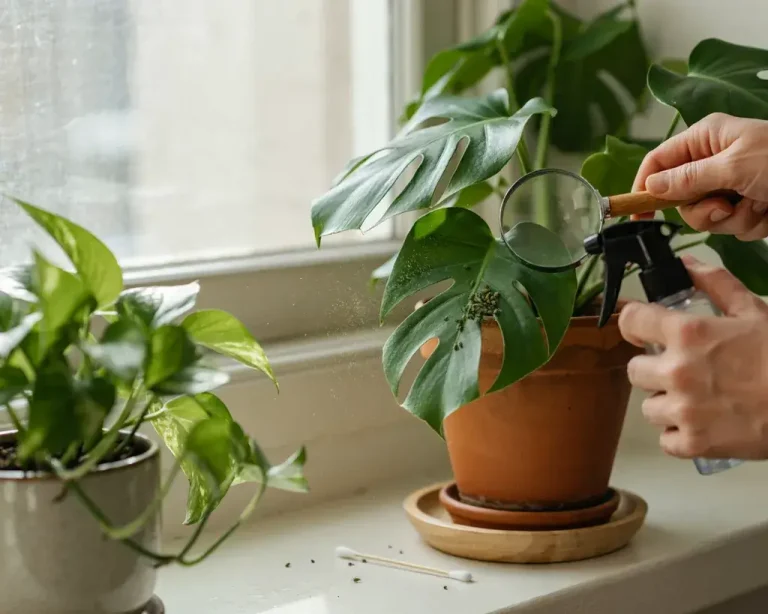
Even healthy lavender plants with fragrant blooms and colorful blooms in a garden bed can sometimes attract unwanted guests. Common pests that may infest lavender include whiteflies, which suck juice from lavender foliage, causing wilting and yellowing. Both adult insects and larvae can be managed with a strong spray of water or insecticidal soap to keep the plant healthy.
Lavender can also face problems like gray mold, a fungus that develops when conditions are damp, making proper air circulation important for controlling pests and disease. The sweet smell of lavender may attract certain insects, while cool wet conditions increase the risk of fungal issues.
Root weevils are another concern, especially for potted lavender plants, as they feed on roots and can cause significant damage. In such cases, repot plant into fresh soil using sterilized soil to support healthy lavender and maintain vibrant lavender growth.
Common Mistakes to Avoid
- Planting in Shade: One of the biggest lavender failures among lavender growers is planting in shade. While partial shade may seem suitable, lavender often grows thin and stops blooming without enough sunlight.
- Overwatering Plants: Using rich soil or moist soil can harm lavender roots when combined with overwatering. Signs include yellowing lower leaves, mushy stems, and damage at the base caused by too much water.
- Using Wrong Mulch: Avoid wood mulch around lavender because it holds moisture near the crown and stem, increasing the risk of problems.
- Skipping Pruning: Skipping pruning allows lavender to become woody and sparse, creating long-term problems. Regular pruning helps maintain healthy growth.
- Ignoring Common Issues: These five mistakes are repeat offenders that lavender growers should avoid for stronger, healthier plants.
Caring for Lavender After Planting
During the first year, show restraint and focus on helping the plant develop strong roots. Many nursery growing guides and extension research recommend you clip off flower buds in year one so the plant channels energy into root growth instead of early blooms.
Once lavender established growth begins, pruning becomes an annual habit rather than a one-time task; cut plants back by about one-third in spring to support new growth.
According to Colorado State University’s PlantTalk program, in summer, trim spent flower stalks to encourage blooms.
In colder climates, protect plant roots during winter with straw or evergreen boughs, but avoid wood mulch around the crown because it can become insulated while trapping moisture.
Final Thoughts
Growing lavender is a rewarding experience for gardeners who plant once and plant right. This low-maintenance plant is one of the highest-reward plants you can grow when given full sun, sharp drainage, and a properly seated crown.
Resist overdo it with too much water or fertilizer; a light hand is often best. Once established, lavender can attract bees, resist deer, handle missed watering, and keep coming back for many years.