

How To Grow Flower Plants In Pots
New to gardening or a seasoned gardener looking for a wonderful way to add color and life to your space? Container gardening with flower plants in pots offers the versatility to transform small areas like balconies, patios, and indoor corners into vibrant, flourishing gardens.
In my experience, the right technique for planting flowers starts with choosing the right container, selecting suitable flower pots, and following simple steps for proper care and maintenance.
This ultimate guide helps you grow beautiful flowers in pots that thrive for years, making any corner of your home a refreshing garden with the right balance of planning and attention.
Understanding Soil: Why Potting Mix is Key
Why is choosing the right soil one of the most important decisions when growing flowers in pots?
From my experience with container gardening, regular garden soil can become too dense inside containers, leading to poor drainage and root suffocation.
A high-quality potting mix is specifically formulated for pots and containers, as it provides better drainage and allows proper root expansion.
Using the right mix helps roots develop naturally while giving flowers the support they need to grow healthy in a container garden.
Soil Composition
What makes a good potting mix for plants and flowers growing in containers? I have found that a balanced blend of organic matter, peat moss, perlite, and vermiculite creates the ideal foundation for healthy potted plants.
These components help retain moisture, ensure air circulation around roots, and promote healthy growth. Quality potting mixes may also include added fertilizers, but you can supplement them with plant food to provide extra nutrients.
A proper soil amendment improves moisture retention, supports root health, and encourages strong plant growth with the right amount of fertilizer for thriving container gardens.
Soil Amendments
How can you keep flowers healthy throughout their entire growing season in containers? In my gardening experience, mixing organic compost and slow-release fertilizer into your potting mix is an effective way to provide added nutrients that plants need.
This organic compost improves the soil while supporting plant nutrition and stronger flower growth. A balanced fertilizer approach helps supply essential nutrients and creates the right environment for successful gardening with thriving flowers in pots.
The Step-by-Step Process of Planting Flowers in a Pot
Ready to begin planting your flowers after getting the right pot, soil, and plant materials selected? Through my experience with container gardening, I have learned that following simple planting steps makes the growing process smoother and helps ensure healthy flowers. These easy steps of proper planting create the right conditions for plants to thrive and turn a simple container into a beautiful flower display.
Step 1: Prepare the Pot
Before starting your container garden, make sure the pot is clean and free of debris to give your flowers a healthy beginning.
In my experience with gardening, proper drainage is essential, so adding a layer of gravel or small rocks at the bottom of the container can help promote water drainage.
If you are using pots without drainage holes, the two-pot method is a practical option to maintain moisture balance and support successful flower growth.
Step 2: Add Potting Mix
Once the pot is prepared, begin planting by adding potting mix to your flower pots and container.
I usually fill the pot around two-thirds full with the mix, then gently tap the sides to help the soil settle evenly.
Leave enough space at the top to maintain the right soil level and make watering easier, creating a stable base for healthy flower growth.
Step 3: Planting
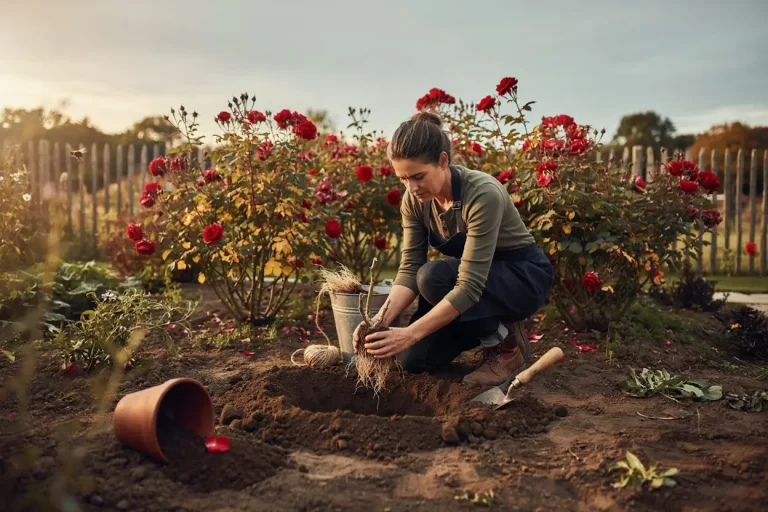
For successful planting and transplanting of flower plants, start by creating a hole in the soil that is large enough to accommodate the root ball.
Carefully remove the plant from its container, gently loosen the roots, and place it into the hole.
I prefer to fill the extra space with potting mix while firming it around the base to secure the plant and encourage strong root development.
Step 4: Water Thoroughly
After planting, proper watering helps your flowers adjust and grow successfully in container gardening.
I recommend you water generously at this stage so the moisture can settle the soil and eliminate air pockets around the roots.
Ensure the excess water drains from the bottom of the container, which shows the plant is properly hydrated and receiving the right level of hydration.
Using the “Thriller, Filler, Spiller” Method
The Thriller, Filler, Spiller method is a creative concept in container gardening that helps you create a visually stunning flower display.
I often use this gardening design approach to incorporate different plants into flower pots, creating a balanced arrangement with height, fullness, and flow.
This simple method makes container gardening more attractive while allowing each plant to contribute to the overall beauty of the pot.
Thriller
The thriller plant is the tall focal plant that brings height and drama to a pot, making it a key part of container gardening.
In my own plant selection process, I like choosing ornamental grasses, spike plants, or taller flowers like sunflowers to create strong vertical interest.
These flower plants act as a centerpiece, giving the arrangement structure and drawing attention to the overall design.
Filler
The filler plants bring balance to a pot by helping fill out the space around the thriller and creating a fuller appearance.
In container gardening, I often choose medium-sized options like petunias, marigolds, and geraniums because these fillers add texture and color to the flower arrangement.
A good plant variety makes the container look more complete while allowing each plant to complement the others.
Spiller
The spiller plants complete a container design by allowing foliage and flowers to cascade over the edges of the pot, creating a lush and flowing look. In container gardening,
I enjoy mixing different plants like vinca vines, ivy, and sweet potato vines for this role because they add a dynamic, multi-dimensional feel to the garden display.
A well-planned flower arrangement with spillers can truly impress by bringing movement and softness to the overall pot design.
Seasonal Considerations: Planting for Each Season
Successful seasonal gardening means knowing when to choose the right plants for each season so your flower pots stay vibrant all year round.
From my experience, rotating seasonal flowers and matching them with the changing weather helps maintain healthy growth while keeping container displays fresh and colorful throughout the year.
Spring Planting
Spring is the best time to plant colorful annuals because the mild temperatures help flowers establish strong growth.
I often recommend petunias, pansies, and begonias during this season as they thrive in spring conditions and provide a beautiful burst of color to any garden.
Choosing the right flowers in spring gives your pots a lively start and sets the foundation for a successful growing season.
Summer Planting
During summer, the heat requires you to choose plants that can handle full sun and high temperatures.
In my experience, geraniums, marigolds, and zinnias are excellent options for summer pots because they remain strong and colorful even during warmer conditions, helping your container garden stay attractive throughout the season.
Fall Planting
Fall is a great season to refresh your containers with cool-weather flowers that continue adding beauty as conditions change. I often choose chrysanthemums, pansies, and ornamental kale because these flowers can bloom beautifully even when temperatures drop, keeping your flower pots attractive during the cooler months.
Sunlight and Placement: Getting It Right
The right place for your pots plays a major role in the success of your flowers.
When choosing a location for your flower pots, I always consider how much light the area receives and whether it matches the needs of the plants.
A carefully selected spot helps flowers grow stronger and keeps your container display healthy and beautiful.
Full Sun
For plants that need full sun, choosing the right place is essential to healthy growth.
A sunny location like a patio or balcony with plenty of light and direct sunlight for 6-8 hours per day is ideal for full-sun flowers.
From my experience, marigolds, petunias, and geraniums perform especially well in these conditions and bring lasting color to potted gardens.
Partial Shade
For potted flowers, choose a spot with partial shade where plants get partial sunlight or indirect light. Around 3-6 hours of sun with afternoon shade works well for varieties like begonias, coleus, and impatiens, which thrive in partial shade conditions.
Full Shade
For potted flowers, shady areas with limited sunlight can still support beautiful growth. I have found that plants like fuchsias, begonias, and caladiums grow well in low-light conditions when you provide proper care. These varieties can bring beautiful color to your space even without direct sunlight.
Fertilizing and Caring for Your Flowers
To keep potted plants strong, fertilize them regularly for healthy growth and vibrant blooms. I prefer using a slow-release fertilizer for best results, along with deadheading by removing spent blooms to encourage new growth. This simple care routine extends the flowering season and keeps your container flowers looking fresh.
Choose the Best Flowers
When selecting flowers for pots, it is important to choose the right plants for your space and conditions. I usually research the sunlight needs and shade needs before visiting a gardening center or nursery.
Consider the right spot, whether it gets full sun, part sun, morning sun, or afternoon sun, and match it with the plant’s climate needs. For a front porch, covered patio, or other outdoor spaces, container plants like ferns, Boston Fern, and Kimberly Queen Fern work well in shaded areas.
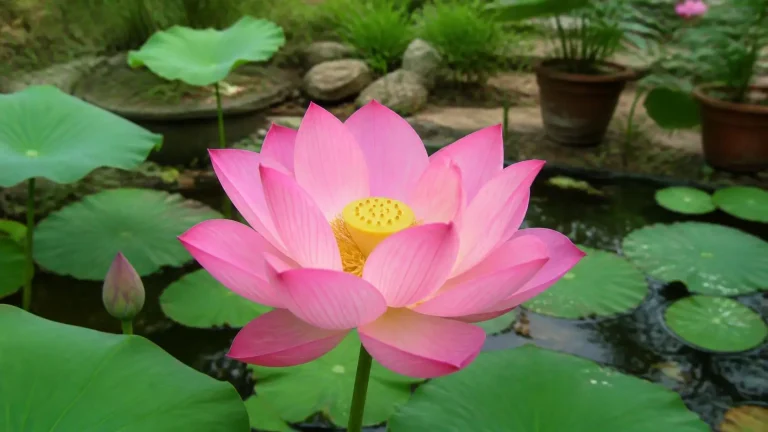
Keep notes about your planter size, such as a large container, and try layering plants like the Lotus Flower to create a beautiful display using the shade section or sun section at your porch while choosing the right plant.
Common Mistakes to Avoid
- Avoid skipping drainage holes, as poor drainage in a container or pot can cause problems like drowns roots and weak root growth.
- Using plain garden soil in pots often compacts, unlike soil used in garden beds, making it harder for flowering plants to grow well.
- Do not follow a fixed schedule for watering; focus on checking soil moisture to keep container plants healthy.
- Remember to fertilize properly because plants in containers need extra nutrients for strong growth and better blooms.
A Quick Word on Seasons
In container gardening, understanding each season helps keep containers full of color throughout the year. During spring, cool-season flowers like pansies, violas, and flowering kale perform beautifully, while summer annuals bring life to pots before they fade with changing weather.
In fall and winter, some perennials can survive winter in containers, but protecting them from temperature stress may require moving pots closer to the ground, where the surrounding soil provides natural insulation, or planning for replanting when needed.
Enjoy Your Beautiful Container Flower Garden
Container gardening is a great way to enjoy the beauty of flowers even in a small space. With a few simple steps, you can create a stunning flower garden in each pot by providing the right care and attention to help plants thrive.
I have seen how colorful blooms can brighten a home, especially when using high-quality Flower Pots like Aosom options that enhance your garden’s appeal and make your outdoor area more inviting.
One Comment