How To Plant a Lotus Flower
Think a lotus is temperamental, exotic, or hard to grow? That reputation problem is mostly a myth. Like a stubborn potato with better PR, lotus flowers simply need the right setup. With the right container, water, and sunlight, you can grow this beautiful aquatic plant by following a simple guide.
From picking a container to watching the first bloom open, every step matters. This entire process is based on horticulture research and advice from experienced growers, not guesswork.
Proper planting, cultivation, and plant care help your lotus plant achieve healthy flower growth through the right requirements, conditions, and natural growing process. This water plant rewards patience with stunning natural growth.
What Makes the Lotus Flower Worth the Effort
A lotus flower is more than just a beautiful bloom; it is a plant with a story that makes the effort worthwhile. Known by its botanical name Nelumbo nucifera, this aquatic perennial is not a typical garden plant but a remarkable aquatic plant and water plant with blossoms reaching 8 inches across and lotus leaves growing up to 2 feet wide, almost like a small umbrella.
For centuries, the lotus has carried deep cultural weight through traditions and Feng Shui practices, where it remains a symbol of renewal, good fortune, and luck. Watching a lotus rise from a muddy environment and muddy water into stunning blooms is a powerful life lesson about natural growth.
This perennial flowering plant offers unique plant symbolism and cultural significance, making the lotus flower a rewarding choice for anyone interested in meaningful plant growth.
What You Need Before You Start
Before planting, skip the unnecessary drama and focus on the right items from your shopping list. You only need a healthy lotus tuber, a wide and shallow container without drainage holes, heavy topsoil, loam, or clay-based soil instead of potting soil, along with pea gravel or sand for the top layer.
Choose a healthy lotus tuber with intact growing tips to support strong tuber growth and successful lotus planting. Place your container in a sunny spot with at least six hours of direct light to meet the sunlight requirement of this aquatic plant.
Avoid rare fertilizers and imported chemicals because proper soil type, basic fertilizer use, and suitable planting materials are enough for effective lotus cultivation.
Step 1: Choose the Right Container
Avoid common mistakes by choosing the right container size for your lotus varieties. Lotus roots are aggressive, and pond experts and nursery experts recommend a round container because lotus runners spread outward instead of getting trapped in corners like square pots or rectangular pots. A shallow container works better than a deep container because lotus tubers grow horizontally.
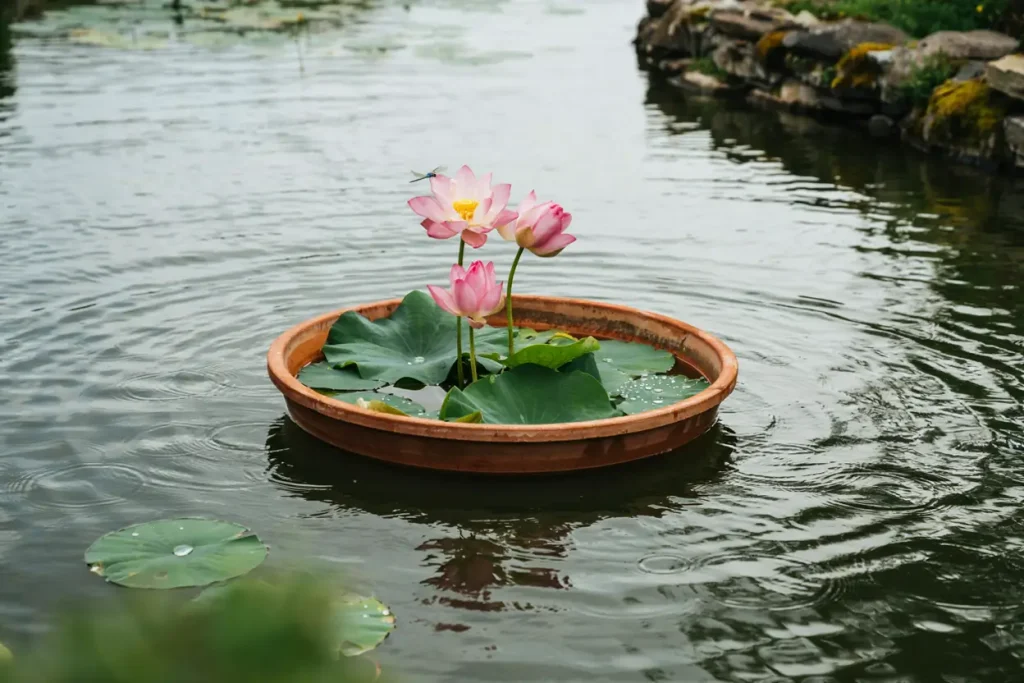
For full-size varieties, Pond Megastore and nurseries suggest 18 inches diameter to 24 inches diameter, while dwarf types can grow well in smaller containers. The right setup prevents gaps where roots can escape and encourages healthy root growth, taller growth, flowering growth, and more blooms
Step 2: Prepare the Perfect Soil Mix
Many beginners make this mistake, but it has an easy fix: lotus plants need dense soil and heavy soil that stays stable underwater. Avoid potting soil from garden centers because its light soil and fluffy soil are great for houseplants but make a lotus floats out of the pot.
Use clay-based loam, topsoil, or plain garden soil instead. Experienced growers may add a little composted manure for extra nutrients, but too much organic material rots and fouls the container.
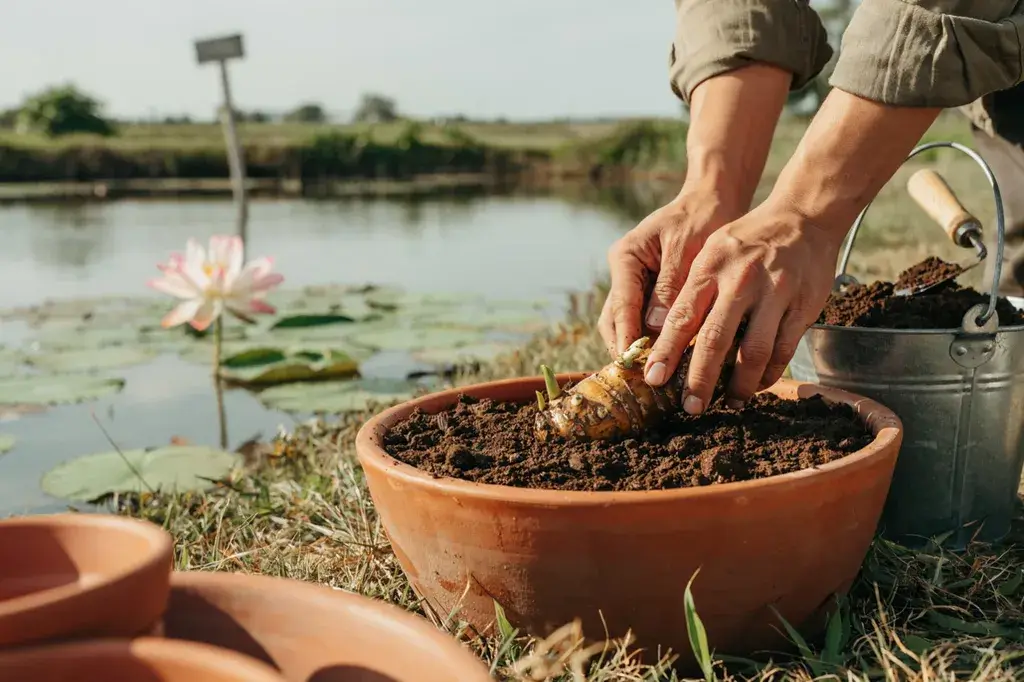
According to UF/IFAS Extension, proper soil preparation, soil mixture, and nutrient management are essential for lotus cultivation. Fill the container about two-thirds full before placing the tuber and starting underwater planting.
Step 3: Handle the Tuber With Care
A lotus tuber may look like a pale, knobby sweet potato, but careful handling decides its success. Choose a firm tuber, not mushy, with visible growing tips that become the plant future leaves and flowers. Think of these tips like carrying eggs; a snap or bruise can make the growing tip stall and damage plant growth for the entire season, sometimes permanently.
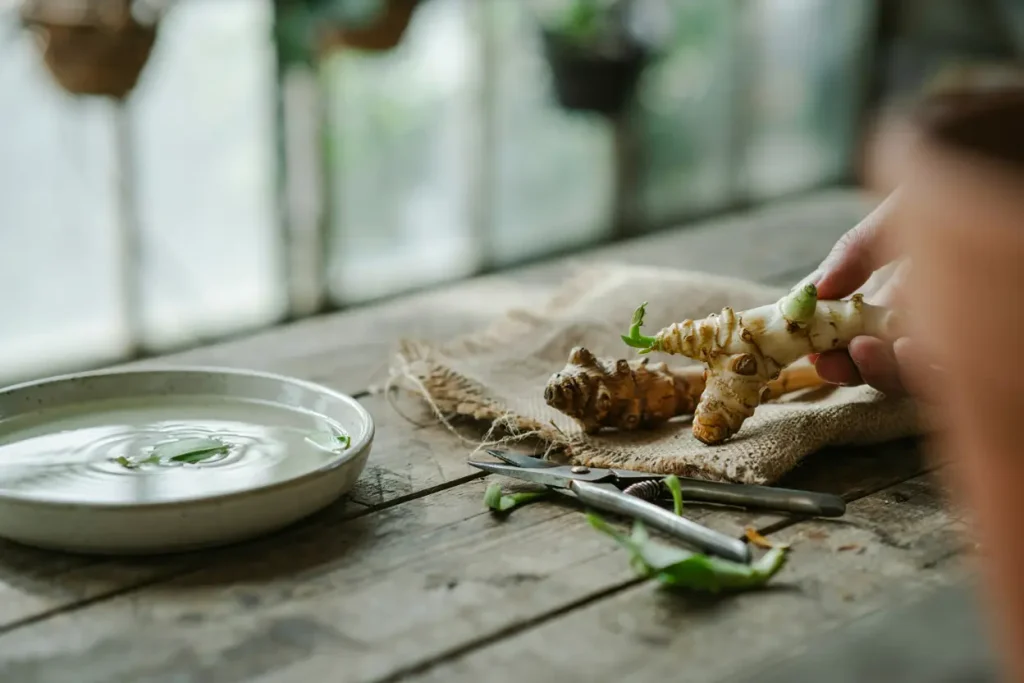
Beginners often accidentally kill lotus before growing begins, so always hold tuber by the body, not the tip. Remove extra attached leaves by trim leaves before planting to help the plant focus energy on establishing roots instead of supporting old growth. Proper tuber care, root development, and plant establishment are essential for successful lotus cultivation of this aquatic plant.
Step 4: Plant the Tuber Correctly
Place the tuber horizontally on the soil with the growing tip pointing upward. Never bury it standing up or push it too deep. Gently press the tuber into the surface for proper soil contact, then cover body with about one inch soil while keeping the exposed tip barely covered so it can reach light and air.
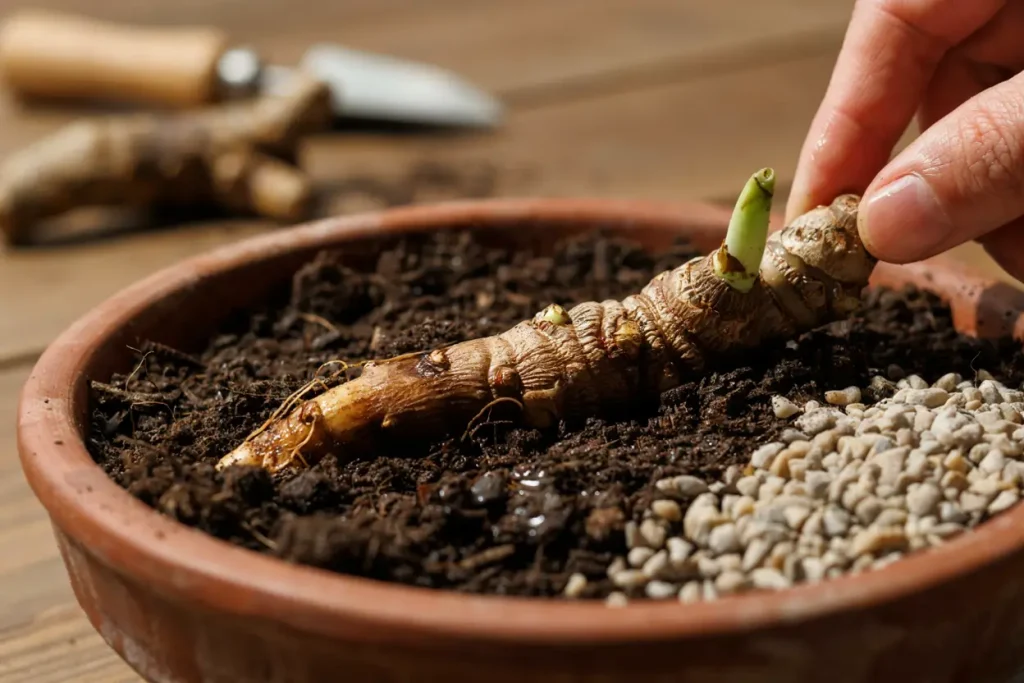
Add pea gravel or sand as a top layer to hold tuber and prevent it from floating loose after water addition. If using clay-heavy soil or sticky clay, the tuber may stay secure naturally. Correct tuber placement is a key part of successful planting, lotus planting, and lotus cultivation for this aquatic plant.
Step 5: Add Water the Right Way
Avoid rushing the process on day one because lotus tubers need a slow start. Add enough water to keep the soil moist without fully submerging the container immediately. As floating leaves or coin leaves appear, gradually adjust the water level and increase depth when aerial leaves rise above the surface. This staged approach follows how lotus grows in the wild, moving from shallow mud to deeper water as the plant matures.
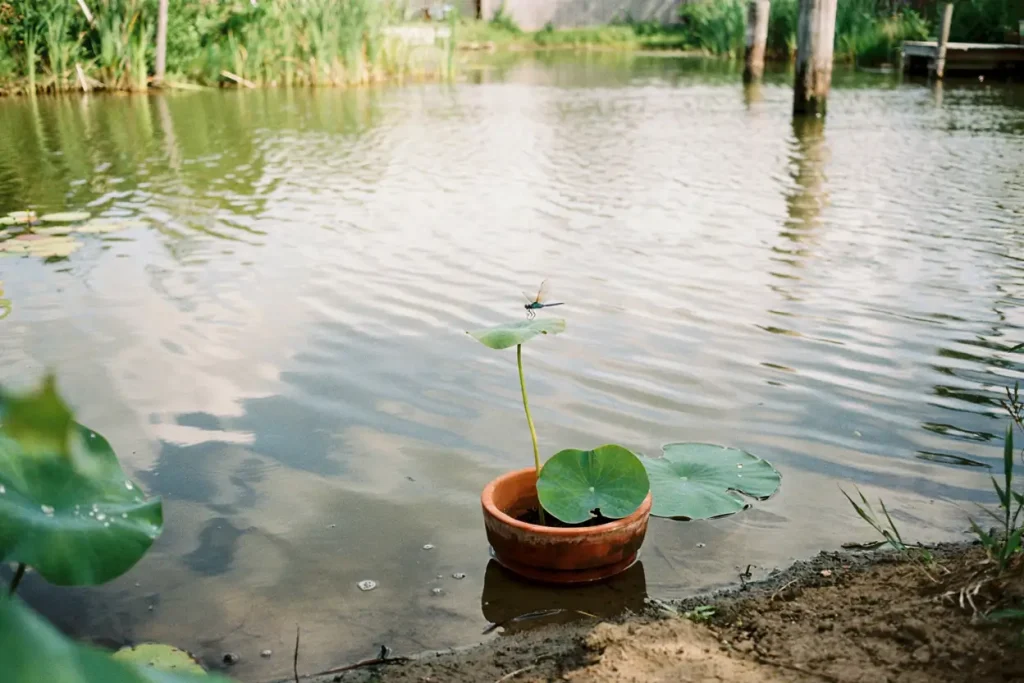
Maintain around two inches water above the tuber once filled, and protect the tuber from cold snaps because a tuber freeze can kill an otherwise healthy lotus. Proper water management, tuber protection, and patience support strong lotus growth, plant maturity, and successful lotus cultivation of this aquatic plant.
Step 6: Give It Sunlight and Warmth
Lotus plants are true sun worshippers, and most aquatic plant nurseries follow the same baseline: provide at least six hours direct sunlight daily, while around eight hours often delivers the best blooms. With less sun, the plant may produce more leaves and fewer flowers.
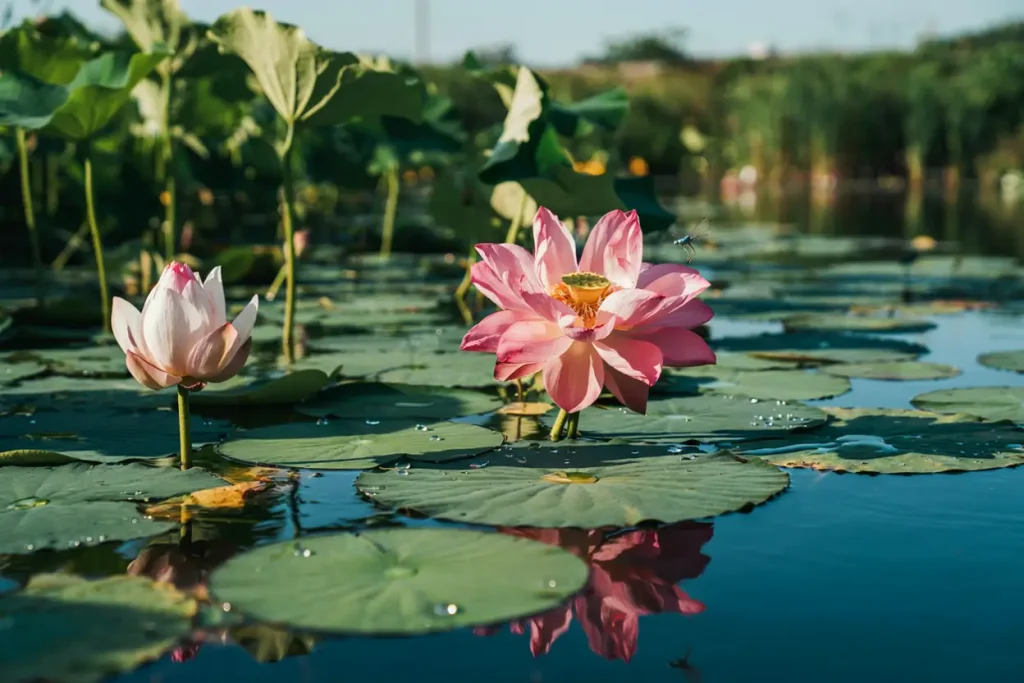
Along with light, proper warmth and water temperatures between 75°F and 87°F support healthy lotus growth. Avoid planting early season when nights are still cool; wait until nighttime temperatures stay above 50°F, which in the central United States and northern United States is usually around mid-to-late spring.
Meeting the right sunlight requirement, water temperature, and seasonal planting conditions helps successful aquatic plant cultivation and stronger flowering.
When and How to Fertilize
Patience is important after planting because early fertilization can burn a young tuber before its root system is ready. The International Waterlily & Water Gardening Society recommends waiting until standing aerial leaves rise above water instead of simply float.
Once established, use an aquatic plant fertilizer like a slow-release tablet made for pond plants. Since lotus grows fast and is naturally hungry, many growers use a double amount compared with waterlilies according to the product label.
Push tablets into the soil near the root mass, not directly against the tuber. Continue fertilizer application through the growing season, from late spring and summer until temperatures drop in fall, as part of proper lotus care.
Best Time to Plant Lotus
Timing is the single biggest factor that decides whether your lotus blooms in the first season or simply sits in cold soil and starts rotting. Choosing the right season and temperature creates a more forgiving growing process for your lotus flower.
The ideal planting time depends on soil temperature and local conditions, helping proper seasonal growth, stronger plant growth, and a successful flowering season in lotus cultivation of this aquatic plant, with accurate flower identification for better understanding and care.
Best Planting Season
Lotus is a warm-season aquatic plant that needs the right planting season to thrive. The safe planting window usually runs from spring to early summer, when planting conditions match the needs of dormant tubers. Many specialty nurseries ship tuber stock between March and May because the weather supports better growth.
If starting from seed, the timeline changes because seeds often need to be started indoors in warm water around 75°F before seedlings can move outside.
Tubers skip step of germinating from scratch, giving home growers an established root system for faster root development, plant growth, and successful lotus cultivation through proper aquatic plant cultivation and lotus propagation.
Water Temperature Requirement
- The water temperature is the real signal for lotus planting, not the date on the calendar. Wait until the minimum nighttime temperature reaches around 50°F (10°C) and is consistently holding before you plant.
- Avoid relying on an early spring warm week, because nights can still drop into the 30s or 40s and create poor planting conditions.
- During active growth, lotus needs a water temperature range of 75°F to 87°F to develop properly and produce blooms. Colder water causes growth slows or the plant stalls out.
- Air temperature can be misleading because ponds and containers may lag behind. Use a cheap thermometer to check the actual water instead of guessing.
- Correct temperature requirements support healthy lotus growth, successful flowering, and strong growth of this aquatic plant.
Why Planting Too Early Fails
Planting early may feel productive, but it works against the plant biologically. A lotus tuber stays dormant like a bulb, and dormant tissue needs warmth to activate the natural mechanism of growth.
When placed in cold water and cold wet soil, the tuber struggles with developing roots and shoots, while damp conditions encourage rot and decay before active growth begins. This waiting period can leave a damaged tuber unable to recover.
Most nursery and extension guide recommendations suggest waiting for warm water rather than relying on warm air or the date alone. A tuber planted two or three weeks late can outperform one planted two weeks early because better conditions support sprouting, growth, root development, tuber growth, and successful lotus cultivation of this aquatic plant instead of stalling out.
Regional Differences
Planting season is not the same everywhere, and following generic guides with a fixed national date can lead to mistakes. In southern regions and warmer regions, water warms up earlier, so planting may begin in late March or April in the warmest zones.
In central regions and northern regions, nights stay cool longer, making the safe window closer to mid-to-late May to avoid cold snaps and lost weeks of progress.
Your local microclimate matters more than the region label because a pond in full sun near a house wall may warm up faster than an open pond or shaded pond just a few miles away.
These temperature conditions determine the best planting time, seasonal planting, and successful lotus cultivation of this aquatic plant.
Common Mistakes to Avoid
A few small errors cause most lotus failures, so use this shortlist to dodge common planting mistakes:
- Avoid potting soil because it floats and can make your lotus struggle, even if the soil was expensive.
- Never use a container with drainage holes because roots can find the exit and spread into your pond.
- Avoid burying the growing tip too deep under inches of soil because the plant may not push through and survive.
- Do not rush fertilizing too early; wait for aerial leaves because rushing this step stresses the plant before it is fully settled.
- Avoid planting in cold water before the water warms up, as the tuber may not grow properly.
- Do not skip full sun; although lotus is shade-tolerant, it is not shade-loving. Partial shade may reduce the chance of producing a flower.
- Proper lotus cultivation depends on correct plant care, root growth, water temperature, and sunlight requirements.
Choosing a Lotus Variety
Selecting the right lotus variety before you buy a tuber makes lotus cultivation much easier. For limited space, dwarf varieties and bowl-type lotus varieties are a forgiving choice, producing small leaves and flowers around two to three inches wide for patio containers and small water features.
In contrast, full-size lotus, standard varieties, and tall varieties can reach five feet and need a large container with enough space requirement. Ornamental varieties are selected for flower color and shape, while edible varieties are grown for commercial growth, producing a crunchy root used in Asian cuisine and usually have thicker tubers compared to ornamental types with thinner tubers.
The basic planting process stays the same, but container size matters as the plant matures. For a first-time grower, choosing a suitable lotus type prevents minor planting mistakes caused by an undersized pot and supports successful container gardening with this aquatic plant.
Frequently Asked Questions
How long does it take for a lotus to bloom after planting?
Tubers planted directly can often bloom in the first growing season, depending on the varieties of lotus. A tuber supports faster lotus propagation, while grown from seed plants may need two or more years before the first flower appears because the first season focuses on building rhizomes. Proper rhizome development, plant growth cycle, and bloom production influence the overall flowering time of this aquatic plant through successful lotus cultivation.
Can I plant a lotus in an open pond or lake?
Only if you have a private pond and are prepared for the plant spread aggressively. Many nurseries warn that planting lotus in open lakes, public ponds, or bogs can quickly become invasive and take over the entire water body. Containerizing keeps growth manageable, supports responsible lotus cultivation, improves water management, and reduces the risk of creating an invasive species with this aquatic plant.
What’s the difference between a lotus tuber and a lotus seed?
A tuber is a dormant root section similar to a potato that grows into a genetic copy of the parent plant. Seeds can produce variation and take longer to reach blooming size. For a specific variety with predictable color and size, plant from tuber for easier lotus propagation, stronger root growth, and consistent flower characteristics in lotus cultivation of this aquatic plant.
Does a lotus need to go dormant in winter?
In most temperate climates, a lotus plant naturally enters winter dormancy as the plant dies back above soil when temperatures drop. The tuber stays alive and resprouts the following spring, supporting spring regrowth and seasonal growth. Protect it from cold because if the tuber freezes or freezes solid, it can kill the plant. Proper cold protection ensures tuber survival and successful lotus cultivation of this aquatic plant.
Final Thoughts
Planting a lotus flower is not complicated when you understand the logic behind each steps. Use heavy soil to keep the tuber grounded, a sealed container for roots contained, and careful handling of the growing tip.
With patience, proper water depth, correct fertilizer timing, and enough sun, the lotus follows its natural schedule from coin leaves to the first bloom.
Good plant establishment, lotus cultivation, and consistent plant care depend on root control, water management, fertilizer application, and the right sunlight requirement for this aquatic plant.