

Sago Palm Care: Light, Water, Feeding and Yellow Frond Fixes
A sago palm is one of the easiest structural plants to keep alive, as long as you respect two things: it hates wet roots and it grows slowly. This guide gives you a simple care routine, then shows you how to read yellow or frizzled fronds so you can fix the real cause instead of guessing.
Quick Answer: How to Care for a Sago Palm
Sago palm care comes down to bright light, a fast-draining mix and watering only after the soil dries. Feed lightly in the growing season and leave the fronds alone until they turn fully brown.
- Light: bright, indirect light indoors (about 4 to 6 hours of filtered sun); part sun to light shade outdoors.
- Water: water deeply when the top 2 to 3 inches (5 to 7 cm) of soil are dry; water much less in winter.
- Soil: gritty, well-draining mix in a pot with drainage holes.
- Feeding: a palm or cycad fertilizer that contains magnesium and manganese, in spring and summer only.
- Temperature: about 65 to 75°F (18 to 24°C) indoors; outdoors, frost burns fronds and NC State Extension says plants will not survive below about 15°F (minus 9°C).
- Safety: every part is poisonous to pets and people, and the seeds are the most toxic part.
What Is a Sago Palm?
The sago palm, Cycas revoluta, is not a true palm. It is a cycad in the family Cycadaceae, an ancient group of cone-bearing seed plants that are more closely related to conifers than to palms, as the NC State Extension Plant Toolbox and FAMU Cooperative Extension both explain.
It is native to southern Japan (Kyushu and the Ryukyu Islands) and is also called king sago, Japanese sago palm and sago cycad. That cycad biology explains most of its care: slow growth, one flush of new fronds at a time and roots that rot quickly in soggy soil.
How to Recognize a Sago Palm
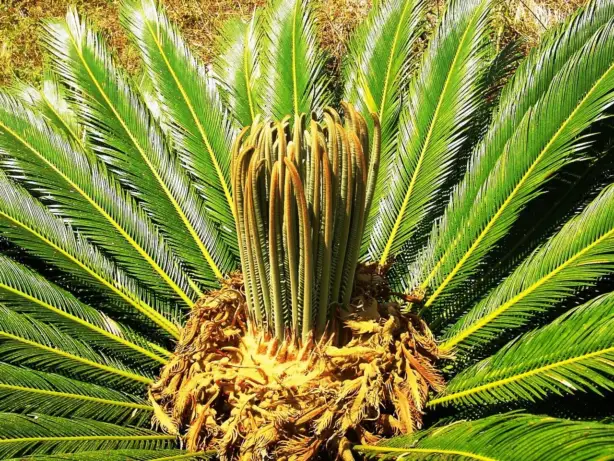
You can identify Cycas revoluta by its stiff, glossy, dark green fronds arranged in a rosette on top of a thick, shaggy trunk. Check these features with your own eyes:
- Fronds: feather-shaped (pinnate), usually 2 to 5 feet long on mature plants, arching from the crown.
- Leaflets: narrow, about 4 inches long, with edges that roll under (the meaning of “revoluta”) and a single central midrib. The tips are sharp.
- Trunk: short and stout, covered in old leaf bases; it may branch or produce pups at the base.
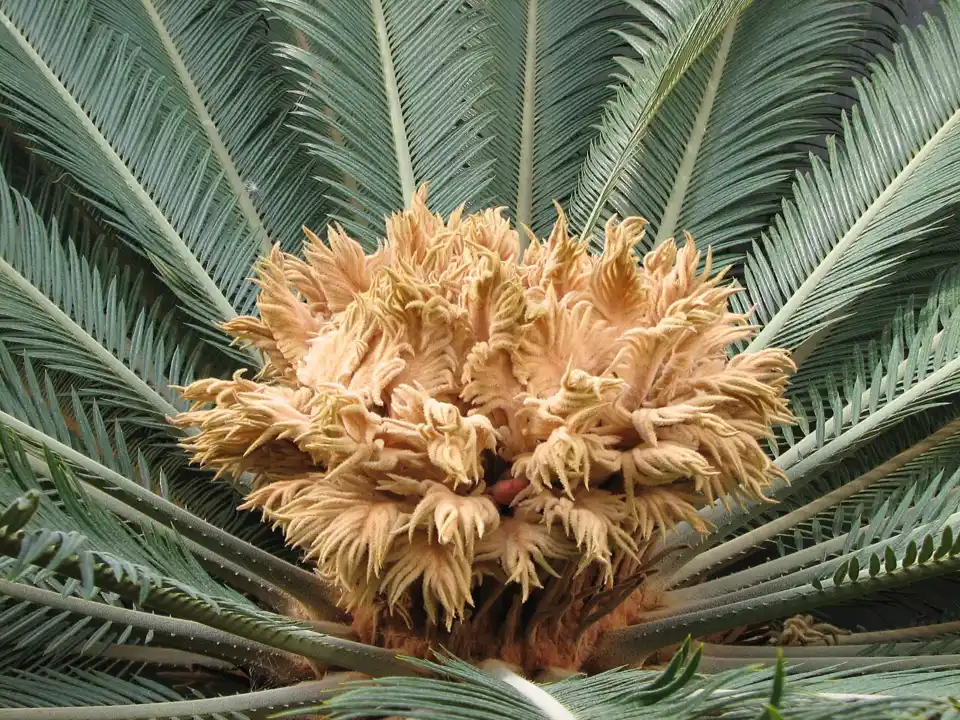
- Cones: plants are male or female. Males grow an upright, pineapple-shaped cone up to about 2 feet tall; females form a rounded, golden, feltlike cone that holds orange to red seeds.
- Size: NC State lists 3 to 10 feet tall and wide outdoors, but it can take 50 years or more to reach 10 feet. Indoor plants usually stay around 2 to 3 feet.
Not sure your plant is a sago? Take a clear daylight photo of one frond and the leaflet tips, then try our Leaf Identifier. Photo identification, including our tool, can be wrong, so confirm with the features above or a local expert when safety matters.
Sago Palm Look-Alikes and How to Tell Them Apart
Several cycads are sold under “sago” or “palm” names, and all of them are toxic. The leaflet veins are the fastest test: Cycas leaflets have one midrib, while Zamia leaflets have many parallel veins and no midrib.
| Plant | Scientific name and family | Leaflets | Other clues |
|---|---|---|---|
| Sago palm (king sago) | Cycas revoluta, Cycadaceae | Narrow, stiff, glossy, edges rolled under, one midrib | Compact crown, fronds 2 to 5 feet |
| Queen sago | Cycas rumphii, Cycadaceae | Longer, flatter, softer, one midrib | Taller, looser, more tropical look; less cold tolerant |
| Cardboard palm | Zamia furfuracea, Zamiaceae | Broad, oval, thick and slightly fuzzy, many parallel veins | Low, spreading plant with a cardboard-like feel |
| Coontie | Zamia integrifolia, Zamiaceae | Soft, flat, strap-shaped, many parallel veins | Small, native to Florida and the Caribbean region |
The ASPCA lists coontie, cardboard palm and other cycads and zamias under the same toxic sago palm entry, so the safety advice below applies to all four.
Indoor vs Outdoor Sago Palm Care
The same plant needs a different routine indoors and in the ground. Use this table to pick the right one for where your sago lives.
| Care factor | Indoors (pot) | Outdoors (ground) |
|---|---|---|
| Light | Bright, indirect light near an east, south or west window; filter harsh midday sun | Full sun to part shade; afternoon shade in very hot climates |
| Water | When the top 2 to 3 inches are dry; much less in winter | Drought tolerant once established; water deeply in long dry spells |
| Soil | Gritty mix with perlite and coarse sand | Sandy or loamy, well-drained, acid to neutral pH |
| Feeding | Diluted palm fertilizer, spring to late summer | Slow-release palm fertilizer with magnesium and manganese, per label |
| Temperature | 65 to 75°F; keep away from cold drafts | Frost damages fronds; below about 15°F the plant may die |
| Main risk | Overwatering and root rot | Cold damage and cycad scale |
Light: How Much Sun Does a Sago Palm Need?
A sago palm needs bright light to keep its fronds compact and dark green. NC State Extension recommends bright but indirect sun and about 4 to 6 hours of filtered sunlight per day indoors, because harsh direct sun can scorch the foliage.
Too little light gives long, stretched, floppy fronds. Too much sharp afternoon sun gives bleached or brown patches. From my own houseplants, I have found that a spot with bright, indirect sunlight makes a visible difference to growth, and sago palms follow the same rule.
When you move a sago from a shop or from indoors to a patio, increase the sun over one to two weeks. A sudden jump to full sun is a common cause of scorched fronds. If you want to understand grow lights for a dark room, see our guide to what color light is best for plant growth.
How Often to Water a Sago Palm
Water a sago palm only when the top 2 to 3 inches (5 to 7 cm) of soil are dry, then water deeply until it drains. There is no fixed number of days, because pot size, heat, light and season change how fast the soil dries.
I have learned that checking the soil before watering is the best way to prevent overwatering, and it matters even more for a cycad than for most houseplants. Push a finger or a wooden skewer into the soil; if it comes out damp, wait.
Watering Indoors
- Check the soil with your finger or a skewer every few days in summer.
- When the top 2 to 3 inches are dry, water slowly around the root zone, not into the crown.
- Let excess water drain, then empty the saucer so the pot never sits in water.
- In winter, when growth stops, water far less. Many indoor sagos only need water every three weeks or so in cool rooms.
Watering Outdoors
Established outdoor sagos are drought tolerant, according to FAMU Extension and NC State. Water new plantings regularly for the first season, then only during long dry spells.
FAMU warns that root rot is most likely when wet soil is combined with cold weather, especially in young plants. In rainy, cool winters, plant on a slight mound or in a raised bed so water drains away from the trunk.
Best Soil and Pots for a Sago Palm
A sago palm needs a loose, gritty mix that drains within seconds. A simple recipe is equal parts general potting mix, perlite and coarse sand or fine bark.
- Use a pot with drainage holes. Unglazed terracotta dries faster than plastic, which helps prevent rot.
- Choose a pot only 2 to 3 inches wider than the root ball. Oversized pots hold extra wet soil around the roots.
- Keep the trunk base at the same depth it was growing. Burying the trunk invites rot.
- Outdoors, the plant tolerates sandy soils and clay as long as water does not stand around the trunk.
Fertilizer: Magnesium vs Manganese for Sago Palms
Feed a sago palm with a palm or cycad fertilizer that lists both magnesium (Mg) and manganese (Mn), and follow the label rate. FAMU Extension notes that cycads are fertilized like true palms and that palm fertilizers contain extra magnesium.
Apply slow-release granules in spring and again in early summer outdoors. Indoors, use a diluted liquid palm fertilizer about once a month from spring to late summer, and stop in autumn and winter. More is not better: too much fertilizer can also burn roots and yellow the fronds.
Frizzle Top: When New Fronds Come Out Yellow and Distorted
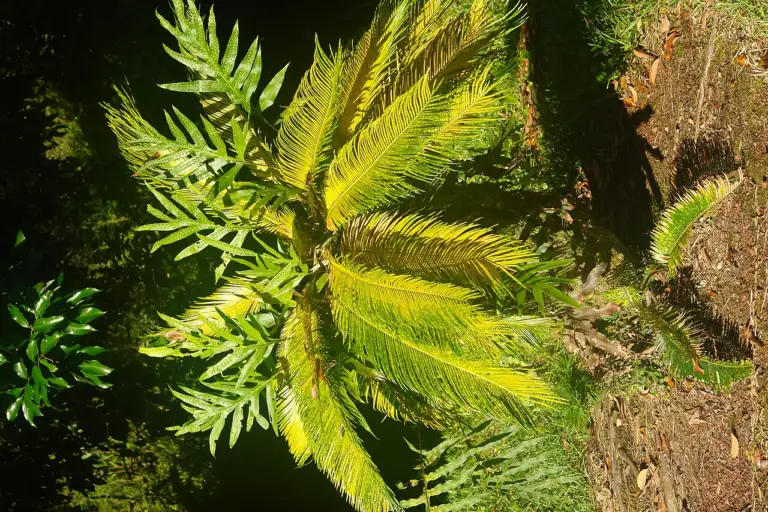
Frizzle top is the common name for manganese deficiency in palms and cycads. FAMU describes it as the newest leaves emerging yellow to brown and distorted, and lists causes such as low soil manganese, high soil pH, restricted roots or root rot.
The fix is manganese sulfate or a fertilizer with micronutrients, applied at the label rate. Epsom salt will not help, because Epsom salt is magnesium sulfate, a different nutrient. Damaged fronds stay damaged; you judge success by the next flush.
Magnesium Deficiency: Yellow Bands on Old Fronds
Magnesium deficiency shows up on the oldest fronds first, as yellowing in the middle and outer parts of the leaf while the base stays greener. FAMU advises leaving these fronds on until they are dead, because the plant can still draw nutrients from them.
Temperature, Climate and Cold Protection
Sago palms grow best between about 65 and 75°F (18 to 24°C) and tolerate brief cold, but frost burns the fronds. NC State Extension lists USDA zones 9a to 12b and says the plant will not survive if temperatures drop below 15°F; other sources stretch the range into zone 8 with winter protection.
FAMU notes that a hard freeze often browns the foliage while the trunk and growing point survive. If that happens, leave the damaged fronds on until new growth appears in spring.
- Cold winters (zone 8 and below, UK, northern Europe, most of Canada): grow the plant in a pot and bring it indoors before nights fall to about 50°F (10°C).
- Mild winters (zones 9 to 11, Mediterranean, Gulf Coast, much of Australia): plant in the ground; cover with frost cloth on frosty nights.
- Very hot, dry summers (for example inland Australia, the Middle East or the plains of South Asia): give afternoon shade, check the soil more often and avoid planting against hot walls.
- Humid tropics: focus on drainage, airflow and scale monitoring rather than cold.
For other frost-tender palms on this site, compare our Adonidia palm care and Chinese fan palm care guides.
Pruning: When Should You Cut Sago Palm Fronds?
Cut a sago palm frond only when it is completely brown and dry. Yellow fronds are still feeding the plant, and green fronds should never be removed for looks.
- Wear thick gloves and long sleeves, because the leaflet tips are sharp.
- Use clean, sharp pruners or a saw.
- Cut the dead frond close to the trunk without gouging it.
- Remove cones only if you need to stop seed production around pets or children; bag the seeds and throw them away.
Over-pruning, especially cutting green fronds into a “pineapple” shape, weakens the plant and can worsen nutrient problems. Gardener’s Path also lists excessive pruning as a stress that makes rot more likely.
Why Is My Sago Palm Turning Yellow?
The position of the yellow frond tells you the cause. Yellowing low on old fronds is often normal aging or magnesium shortage, while yellowing on the newest fronds points to roots, overwatering or manganese.
| What you see | Most likely cause | What to do |
|---|---|---|
| One or two of the lowest, oldest fronds yellow, then brown | Normal aging | Nothing; remove only when fully brown |
| Old fronds yellow in bands, base stays greener | Magnesium deficiency | Use palm fertilizer with magnesium; leave fronds on |
| New fronds yellow or brown, small and frizzled | Manganese deficiency (frizzle top) | Apply manganese sulfate per label; check soil pH and roots |
| Yellowing on many fronds, soggy soil, soft or dark trunk base | Overwatering and root rot | Stop watering, check roots, repot into a dry gritty mix |
| Brown or bleached patches on the sunny side | Sun scorch | Move to filtered light; increase sun gradually |
| Uneven browning after a cold night, top fronds worst | Cold damage | Leave fronds until spring growth; protect next time |
| Yellow, crusty fronds with white specks underneath | Scale insects | Treat the scale (see below) |
For yellowing on other plants in your home, see our general guide on why plant leaves turn yellow.
Sago Palm Pests: Scale and Mealybugs
Scale insects are the main pest of sago palms. Cycad aulacaspis scale (Aulacaspis yasumatsui), also called Asian cycad scale, can coat fronds in a white crust, and NC State Extension notes it can cause serious damage.
Gardener’s Path notes the scale usually starts on the underside of the fronds, so turn a few leaflets over each month. The white crust does not wipe away as easily as dust, and badly affected fronds turn yellow, then brown.
How to Treat Scale and Mealybugs
- Isolate an infested potted plant from other cycads.
- On small plants, scrub scale off with a soft brush or a cotton swab dipped in rubbing alcohol, and hose fronds outdoors.
- Spray horticultural oil or insecticidal soap on both sides of the leaflets, following the label.
- For heavy outdoor infestations, FAMU Extension recommends close monitoring and a rotation of horticultural oils, insect growth regulators and systemic insecticides.
- Remove fronds that are mostly dead and crusted, and bag them.
Mealybugs look like white cottony tufts and leave sticky honeydew that can grow sooty mold. Treat them with the same alcohol swab and soap or oil sprays. Our guide to getting rid of aphids on indoor plants covers the spray basics that also apply here.
Repotting and Propagating Sago Palm Pups
Repot a sago palm every two to three years, or when roots circle the pot or push out of the drainage holes. Spring is the best time because the plant is about to grow.
How to Repot
- Water a day before so the root ball holds together.
- Slide the plant out and trim any black, mushy roots with clean shears.
- Set it in fresh gritty mix in a pot only slightly larger, with the trunk at the same depth.
- Water lightly and keep it out of harsh sun for two weeks.
How to Propagate Pups
Pups (offsets) that form around the trunk base are the easiest way to propagate a sago palm. Seeds need both a male and a female plant and take many months to sprout.
- In spring, dig or twist off a pup, using a clean knife or spade at the point where it joins the parent.
- Remove any fronds from the pup and wear gloves while handling it.
- Let the cut surface dry and callus for a few days to a week.
- Plant it in a small pot of gritty mix with the top part of the bulb above the soil.
- Water sparingly and keep it in bright, indirect light. Roots can take several months to a year to form.
Is a Sago Palm Toxic to Pets and People?
Yes. The ASPCA lists the sago palm as toxic to dogs, cats and horses, and NC State Extension notes that ingestion of any part may cause permanent internal damage or death in people, with children at particular risk.
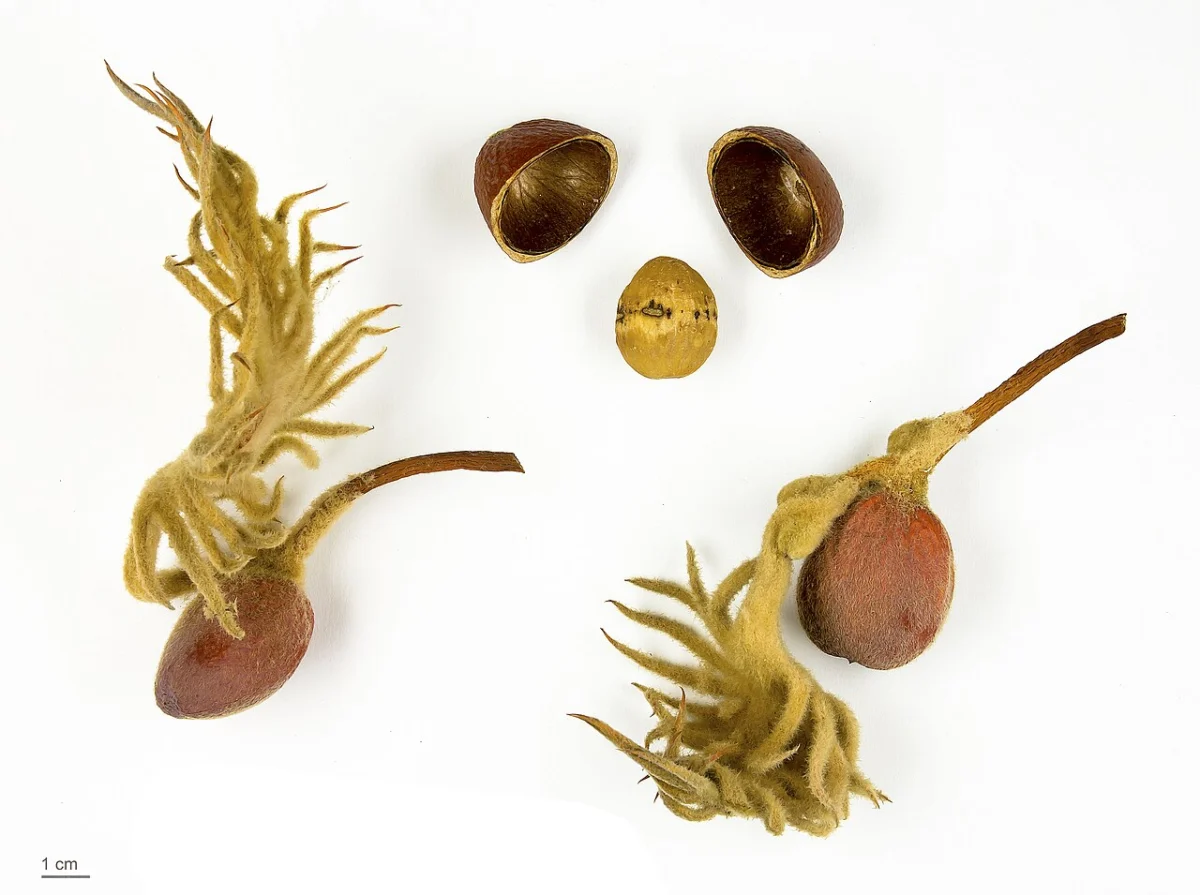
All parts contain the toxin cycasin, and NC State says the seeds have the highest concentration. The ASPCA lists signs in animals such as vomiting, black tarry stool, yellowing of the gums or eyes, increased thirst, bruising, liver damage and liver failure.
- Keep sago palms out of reach of dogs, cats and children, or choose a different plant for homes with chewing pets.
- Remove and bag fallen seeds from female plants.
- Wear gloves when pruning or dividing, and wash your hands afterward.
If a person or pet has eaten any part of a sago palm, contact your local poison control center or a vet right away, even before symptoms appear. In the US, the ASPCA Animal Poison Control Center is at (888) 426-4435 (a fee may apply). For another common houseplant toxicity question, read are snake plants toxic to cats.
Check Your Sago Palm Yourself: A Simple Monthly Routine
I believe that observing plants regularly and adjusting care to what they show you is the most reliable way to keep indoor plants healthy. For a sago palm, a five-minute check once a month is enough.
- Soil: push a finger 2 to 3 inches down. Dry means water; damp means wait.
- Newest fronds: are they green and straight, or yellow and frizzled? Frizzled points to manganese.
- Oldest fronds: some yellowing at the bottom is normal. Many yellow fronds at once is not.
- Leaflet undersides: look for white crust or cottony tufts.
- Trunk base: it should feel firm. Soft or dark patches mean rot.
- Light: stretched, pale fronds mean more light; scorched patches mean less.
Small changes in care, such as moving a pot a little closer to a window or waiting a few extra days to water, are often all a sago palm needs. Its growth is slow, so judge your changes by the next flush of fronds rather than by the old ones.
Frequently Asked Questions
How often should I water a sago palm?
Water only when the top 2 to 3 inches (5 to 7 cm) of soil are dry, then water deeply and let it drain. Indoors in winter this can be as little as every three weeks; established outdoor plants are drought tolerant.
Should I cut yellow fronds off my sago palm?
No. Leave yellow fronds on until they turn fully brown, because the plant still draws nutrients from them. Never cut green fronds for shape.
Why are the new fronds on my sago palm frizzled and yellow?
Yellow, distorted new fronds usually mean manganese deficiency, called frizzle top. Apply manganese sulfate or a palm fertilizer with micronutrients at the label rate. Epsom salt will not fix it because it supplies magnesium, not manganese.
How cold can a sago palm tolerate?
Frost damages the fronds, and NC State Extension says the plant will not survive below about 15°F (minus 9°C). Bring potted plants indoors before nights fall to about 50°F (10°C) in cold climates.
Is a sago palm poisonous to dogs and cats?
Yes. The ASPCA lists sago palm as toxic to dogs, cats and horses, and all parts contain cycasin, with the highest amount in the seeds. Contact a vet or poison control immediately if a pet eats any part.
How fast does a sago palm grow?
Very slowly. Most plants produce about one flush of new fronds a year, and NC State notes it can take 50 years or more to reach 10 feet outdoors. Indoor plants usually stay around 2 to 3 feet.
Featured image: Photo: Luis Miguel Bugallo Sánchez (Lmbuga) / Wikimedia Commons, CC BY-SA 4.0




One Comment